In today’s fast‑changing world, education is undergoing a profound transformation. Traditional classroom models are evolving to incorporate digital technologies, learner‑centered approaches, and data‑driven insights. Modern learning trends are reshaping how knowledge is acquired, delivered, and applied — from early childhood education to professional upskilling. This article explores these trends in depth, offering actionable insights for educators, learners, and institutions aiming to thrive in the 21st century.
1. Personalized Learning: Tailoring Education to the Individual
One of the most influential modern learning trends is personalized learning. At its core, personalized learning adapts educational experiences to meet individual learners’ strengths, needs, and interests. Rather than enforcing a one‑size‑fits‑all curriculum, personalized learning leverages adaptive technologies and analytics to tailor pacing, pathways, and content.
Institutions such as Carnegie Learning are at the forefront of delivering personalized math and literacy solutions that adjust in real time based on student performance. Similarly, Knewton uses algorithms to recommend resources that match each learner’s proficiency.
Benefits of personalized learning include:
- Enhanced engagement by aligning instruction with learner interests.
- Better outcomes through targeted intervention.
- Increased learner autonomy and motivation.
2. eLearning and Online Platforms: Learning Without Boundaries
The rise of online learning has been one of the most visible modern learning trends. The proliferation of high‑quality digital platforms has made knowledge accessible across geographies, economic classes, and age groups.
Key platforms include:
- Coursera – Offers courses from top universities and industry leaders.
- edX – Provides Massive Open Online Courses (MOOCs) created by institutions like Harvard University and Massachusetts Institute of Technology.
- Udemy – Hosts thousands of professional and hobbyist courses.
Online platforms support flexible learning schedules, affordability, and diverse content formats including video, quizzes, and discussion forums. Since learners can access courses on demand, remote learning has become especially valuable for working adults and lifelong learners.
3. Gamification: Making Learning Fun and Engaging
Gamification involves incorporating game design elements into educational contexts to enhance engagement. Points, badges, leaderboards, and challenges transform traditional learning tasks into interactive experiences.
Organizations such as Duolingo have demonstrated how gamification can significantly boost retention and motivation. In schools, gamified learning can improve classroom participation and encourage healthy competition.
The benefits of gamification include:
- Increased learner motivation and persistence.
- Immediate feedback that reinforces learning.
- Higher retention rates through interactive engagement.
4. Microlearning: Bite‑Sized Education for Busy Lives
Microlearning consists of delivering instructional content in short, focused bursts, usually between two and ten minutes in length. This trend aligns well with today’s fast‑paced lifestyle and shorter attention spans.
Microlearning is particularly effective for:
- Skill refreshers and performance support.
- Onboarding and compliance training.
- Just‑in‑time learning scenarios.
Platforms like LinkedIn Learning and Skillshare offer micro‑courses that help professionals upskill quickly and conveniently.
5. Blended Learning: Best of Both Worlds
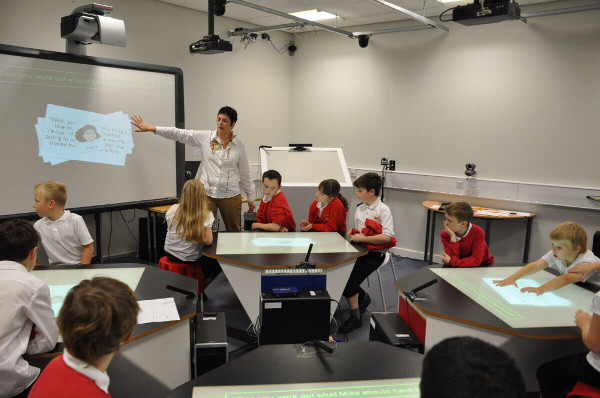
Blended learning combines traditional face‑to‑face instruction with digital learning activities. This hybrid model allows educators to leverage classroom interactions for discussion and critical thinking while using digital tools for personalization and practice.
Blended learning frameworks include:
- Flipped classrooms, where students review content at home and engage in discussions in class.
- Station rotation models, which combine online and offline tasks within a single session.
According to research from institutions such as The Bill & Melinda Gates Foundation, blended learning can improve student achievement when thoughtfully implemented.
6. Artificial Intelligence: Smarter Tools for Smarter Learning
Artificial Intelligence (AI) is rapidly transforming education by enabling intelligent tutoring systems, automated grading, and predictive analytics. AI can assess learner performance patterns and recommend targeted support when learners struggle.
Examples of AI in learning:
- Chatbots that provide instant feedback and answers to student queries.
- Adaptive assessments that adjust difficulty levels in real time.
- AI‑powered content curation to personalize reading lists and practice exercises.
Emerging AI‑based tools can help educators identify at‑risk students early, allowing for proactive intervention that improves retention and success rates.
7. Virtual and Augmented Reality: Immersive Experiences
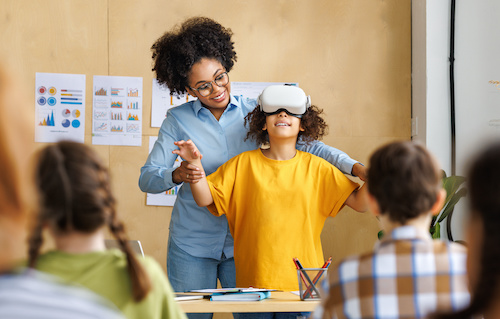
Virtual Reality (VR) and Augmented Reality (AR) are expanding experiential learning. These technologies place learners in simulated environments that would otherwise be inaccessible due to cost, safety, or logistics.
Applications of VR/AR include:
- Virtual field trips to historical sites or scientific environments.
- Skill simulations for medical and technical training.
- Interactive 3D models for complex subject visualization.
Projects developed by Google for Education and other innovators are making immersive learning experiences more affordable and scalable.
8. Social Learning: Collaboration Beyond the Classroom
Social learning theory posits that people learn through observation, interaction, and collaboration. Modern learning environments increasingly prioritize social tools that encourage peer engagement.
Social learning trends include:
- Online discussion forums and study groups.
- Collaborative projects facilitated by tools like Slack and Microsoft Teams.
- Peer‑to‑peer feedback mechanisms within LMS platforms.
Social learning fosters critical thinking, communication skills, and collective problem solving — competencies that are highly valued in the modern workplace.
9. Competency‑Based Education: Mastery Over Time
Competency‑Based Education (CBE) emphasizes mastery of skills and knowledge rather than time spent in class. Learners progress only once they demonstrate proficiency, making CBE learner‑centered and outcomes‑driven.
CBE is gaining traction in:
- Higher education and degree programs.
- Corporate training and certification pathways.
- Professional and vocational education.
This approach aligns closely with workforce demands, ensuring learners develop real competencies that translate to career readiness.
10. Lifelong Learning: The Imperative of Continuous Growth
In a world where job roles and industries evolve rapidly, learning is no longer confined to early life or formal schooling. Lifelong learning is a mindset and practice that encourages continuous skill development.
Reasons lifelong learning matters:
- Technology advances make existing skills obsolete faster.
- Career transitions require ongoing reskilling.
- Personal fulfillment often stems from intellectual growth.
Platforms such as FutureLearn and Khan Academy support learners at every stage of life through accessible, diverse content.
Conclusion: Embracing Change in Education
The landscape of learning is transforming at an unprecedented pace. Whether through adaptive technologies, immersive tools, or personalized pathways, modern learning trends are empowering learners and educators alike. Stakeholders must remain agile, experiment with innovative models, and continually assess effectiveness.
As these trends continue to evolve, one thing remains clear: education is no longer static. It is dynamic, learner‑centered, and deeply interconnected with the broader technological and social landscape. By embracing these modern learning trends, we can build more inclusive, effective, and engaging educational experiences for learners around the world.