
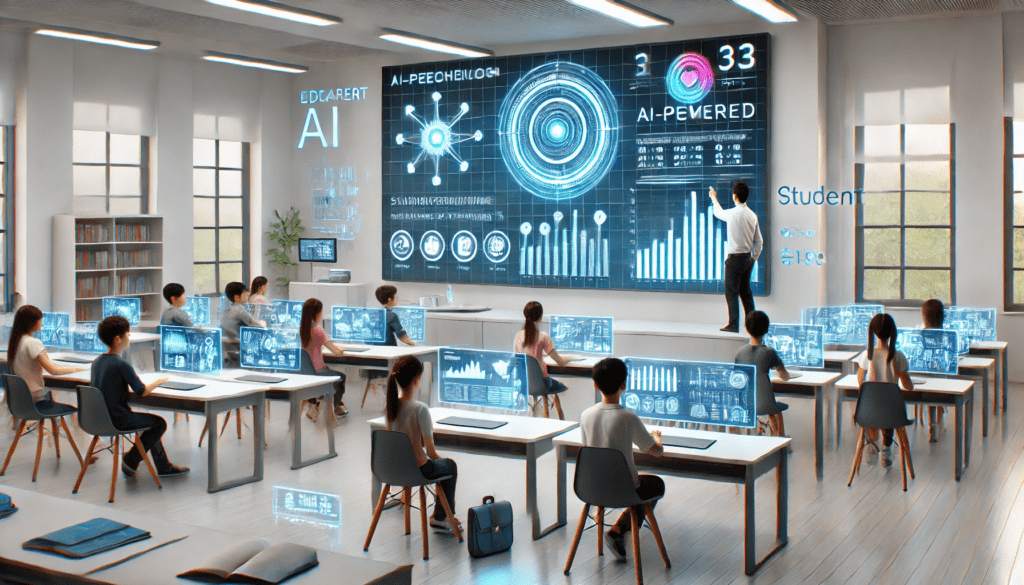
In the rapidly evolving world of education, Smart School Technology has moved from a futuristic concept to a practical necessity. Schools around the globe are adopting intelligent digital systems to improve teaching effectiveness, student engagement, administrative efficiency, and overall educational outcomes. In this blog, we will explore what smart school technology is, its key components, benefits, practical examples, and future trends that educational institutions need to understand to stay ahead.
What Is Smart School Technology?
At its core, Smart School Technology refers to the integration of digital tools, advanced hardware, and intelligent software systems within educational environments to enhance teaching, learning, assessment, and school management. Unlike traditional classrooms that rely heavily on textbooks and chalkboards, smart schools incorporate technologies such as interactive displays, artificial intelligence (AI), the Internet of Things (IoT), cloud‑based platforms, and learning analytics to create responsive and engaging learning environments.
A smart classroom, which is a foundational element of smart school technology, is a teaching space equipped with such tools to facilitate interactive instruction and personalized learning. These classrooms help bridge the gap between students and educators by making lessons more engaging and adaptive.
Core Components of Smart School Technology
To appreciate the full potential of smart school technology, it’s important to recognize its major components:
1. Interactive Displays and Digital Whiteboards
Interactive screens and digital whiteboards replace traditional blackboards with technology that allows teachers and students to write, draw, and interact with digital content directly. These tools support multimedia presentations, real‑time annotation, and collaborative tasks, which improve engagement across diverse learners.
2. Artificial Intelligence (AI) and Machine Learning
AI underpins many smart education systems by offering features such as personalized lessons, real‑time feedback, automated grading, and learning analytics. Machine learning algorithms can analyze student data to identify knowledge gaps and recommend tailored content to help students progress.
3. Learning Management Systems (LMS) and Cloud Platforms
Cloud‑based LMS platforms like Google Classroom and Canvas allow teachers to manage course materials, assignments, and assessments digitally. These systems also make educational resources accessible anytime and anywhere, supporting blended and remote learning models.
4. Internet of Things (IoT) Devices
IoT devices like smart lighting, environmental sensors, RFID attendance systems, and connected devices provide real‑time data about the classroom environment and student interactions. This data can improve safety, optimize resource usage, and help educators better understand student behavior.
5. Virtual and Augmented Reality (VR / AR)
Immersive technologies like VR and AR create rich learning experiences that visualize complex concepts, such as historical events, scientific phenomena, and mathematical models, making lessons more interactive and memorable.
Benefits of Implementing Smart School Technology
Smart school technology brings tangible advantages to students, educators, and administrators alike. Below are some of the key benefits:
Enhanced Student Engagement
Technology tools make lessons more interactive and engaging. Visual aids, interactive lessons, simulations, and collaborative platforms capture students’ interest more effectively than traditional methods. This increase in engagement supports better concept retention and strengthens classroom participation.
Personalized Learning Experiences
One of the most impactful benefits of smart school technology is the ability to provide personalized learning. Through AI‑powered analytics, educators can understand each student’s learning pace and style, then tailor lessons and feedback accordingly. This level of personalization helps students overcome challenges and build confidence in their abilities.
Improved Accessibility
Educational technology allows students from diverse locations and backgrounds to access high‑quality learning resources. Remote learning tools and digital content eliminate geographical barriers and make education more inclusive for students with special needs or mobility challenges.
Real‑Time Assessment and Feedback
Digital assessments and analytics enable teachers to evaluate student performance instantly and adjust teaching strategies dynamically. Real‑time feedback accelerates learning growth and allows interventions to be applied when students need them most.
Streamlined School Administration
Smart school tech solutions extend beyond classrooms. School management systems automate administrative tasks like attendance, fee tracking, scheduling, and communication with parents, reducing manual workload and improving overall efficiency.
Practical Examples of Smart School Technology in Use
To further illustrate how smart school technology transforms education, here are real‑world applications:
Digital Classroom Tools
Schools increasingly use digital boards and smart displays connected to learning platforms. These tools support interactive lessons, video playback, and shared work between teacher and student devices, fostering collaborative learning.
AI‑Driven Tutoring Systems
Adaptive tutoring systems use AI to provide on‑demand, personalized instruction. These tools can recommend exercises, offer hints, and guide students through challenging material, supplementing teacher efforts.
Attendance and Monitoring Solutions
Smart sensors and linked software automate attendance tracking and monitor classroom environments. This not only saves time but also provides insights into classroom dynamics and student engagement patterns.
Immersive Learning with VR / AR
For subjects like science, geography, and history, VR and AR environments enable students to explore virtual ecosystems, historical sites, and interactive simulations, making lessons experiential rather than purely theoretical.
Challenges and Considerations
Despite its many advantages, adopting smart school technology also comes with challenges:
Infrastructure and Cost
Deploying smart technologies requires reliable internet access, modern devices, and ongoing technical support. These demands can strain school budgets, particularly in underserved areas.
Teacher Training
Effective integration of technology requires that teachers are trained not just in using tools but in adapting pedagogy to leverage digital capabilities fully.
Data Privacy and Security
Collecting and analyzing student data raises concerns about data privacy. Schools must implement robust policies to protect student information while still benefiting from analytics.
What the Future Holds
The future of Smart School Technology is promising and dynamic. Emerging innovations like AI‑enhanced personalized curriculum development, blockchain in credentialing, advanced VR immersive labs, and predictive analytics for student outcomes will continue reshaping education. Schools that embrace these technologies not only modernize learning but also equip students with digital literacy and critical skills needed in the 21st century.
As educational models continue to evolve, smart school technology will be central to creating flexible, responsive, and inclusive learning environments for future generations of learners.