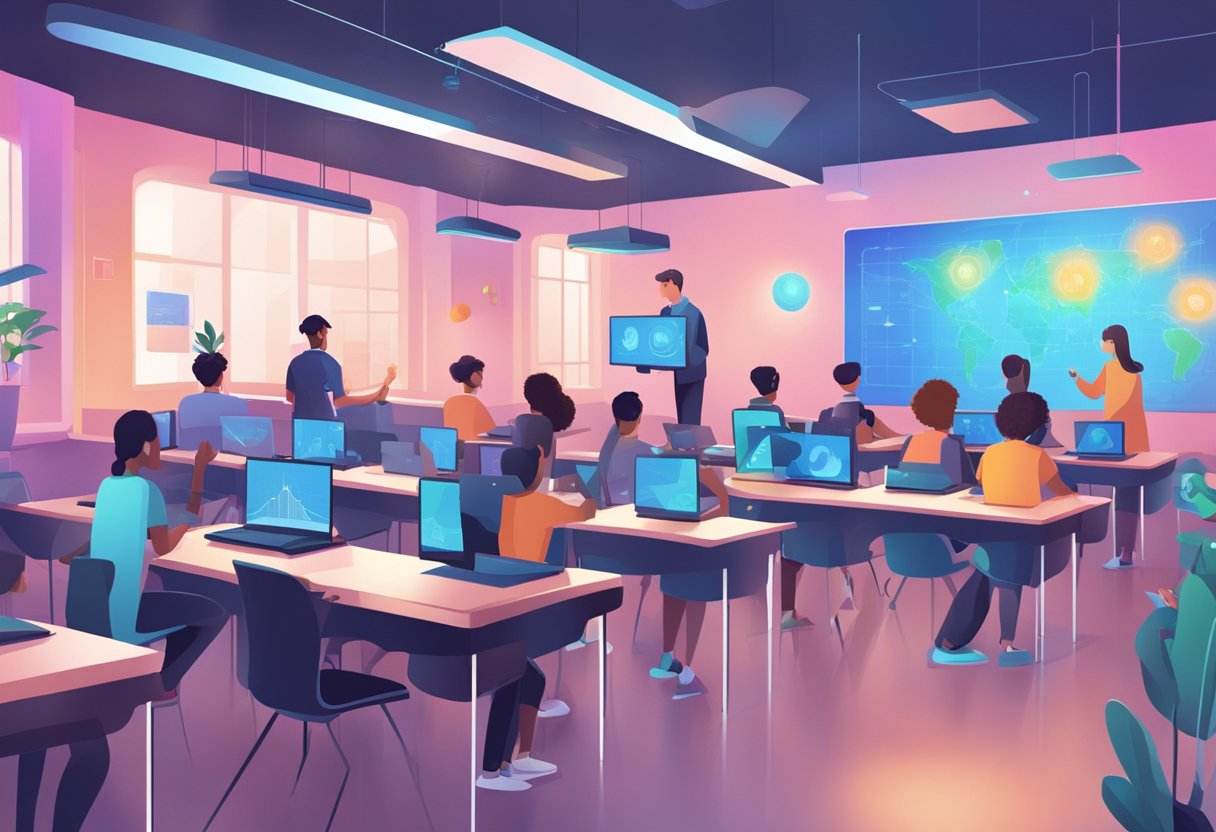
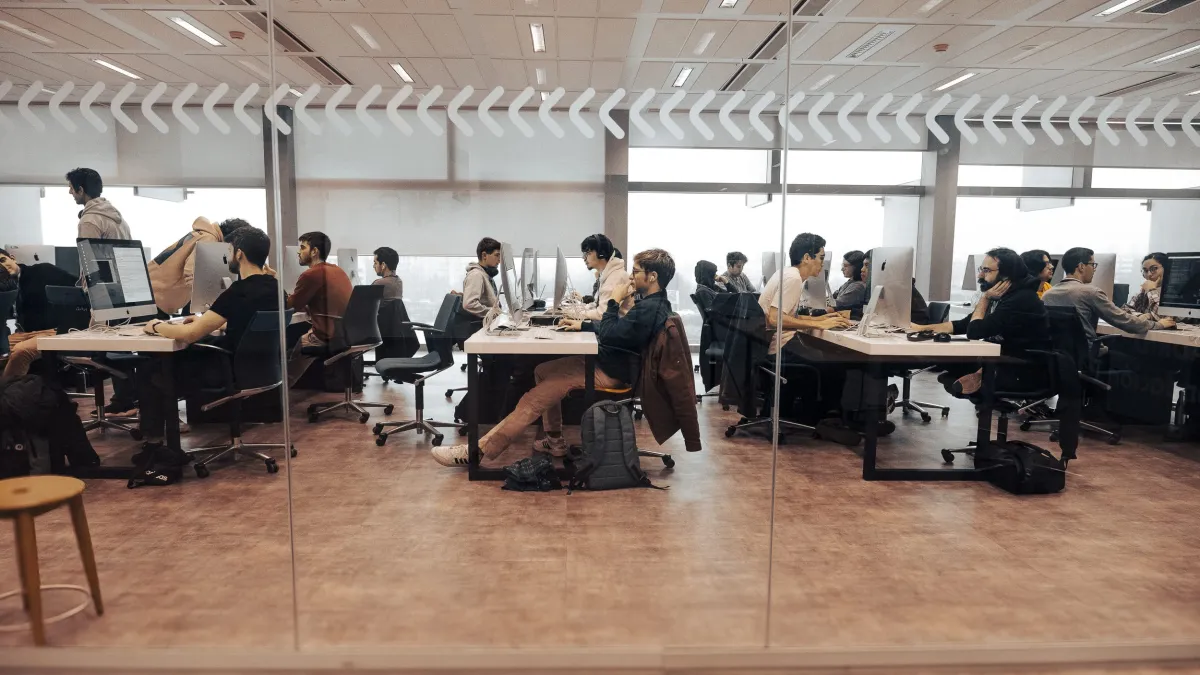
In an era defined by rapid technological advancement, globalization, and shifting workforce demands, education innovation models have become pivotal to preparing learners for success. Traditional methods of instruction are no longer sufficient to address the needs of diverse learners, evolving job markets, and a digitally connected world. Today’s educators, administrators, and policymakers are turning to innovative education models that blend technology, pedagogy, and systemic reform to create more effective, equitable, and future‑ready learning environments.
This comprehensive blog explores the concept of education innovation models, highlights key frameworks being applied globally, and demonstrates how these approaches are reshaping teaching and learning for the twenty‑first century.
What Are Education Innovation Models?
Education innovation models refer to structured frameworks that intentionally redesign teaching, learning, and administrative processes to improve outcomes. These models often incorporate one or more of the following components:
- Technology integration to enable personalized learning
- Competency‑based progression that values mastery over seat time
- Learner‑centered approaches that prioritize individual interests and needs
- Collaborative partnerships with industry and community organizations
The goal is to make education more responsive, engaging, equitable, and aligned with real‑world expectations.
Why Innovation in Education Matters
Innovation in education is not just a trend; it is a response to systemic challenges that have persisted for decades:
- Skill Gaps
Many learners complete formal education without the skills employers demand. According to the Organisation for Economic Co‑operation and Development (OECD), there is a global need for improved skills such as critical thinking, creativity, and collaboration. - Equity Issues
Traditional models can perpetuate disparities based on socioeconomic status, location, language proficiency, and access to resources. Innovative models aim to reduce these gaps. - Learner Engagement
Conventional lecture‑based instruction may not engage all learners meaningfully. Education innovation fosters active participation and relevance. - Rapid Technological Change
As digital tools evolve, education must adapt to prepare learners for technology‑rich environments.
Because of these pressures, innovation models are no longer optional; they are essential for building resilient and adaptive education systems worldwide.
Key Education Innovation Models
Below are some of the most influential and widely applied education innovation models shaping contemporary learning systems.
1. Blended Learning
Blended learning combines face‑to‑face instruction with online learning, allowing students greater flexibility and choice in how they engage with content. Common models include:
- Rotation model where students rotate between online and in‑person stations
- Flex model that allows learners to progress through content at their own pace
- A La Carte model where learners take some courses online and others in traditional settings
Blended learning supports differentiated instruction and allows educators to use data from learning management systems to tailor support for individual learners.
2. Competency‑Based Education (CBE)
Competency‑Based Education (CBE) focuses on mastery rather than time spent in a classroom. Learners advance only when they demonstrate proficiency in specific skills, which promotes deeper understanding and personalized pacing. CBE is particularly valuable in:
- Postsecondary education
- Workforce training programs
- Micro‑credentialing initiatives
By prioritizing competencies, schools and training programs align learning with tangible outcomes valued by employers.
3. Personalized Learning
Personalized learning places the learner at the center of the educational process. It adapts content, pace, and learning paths based on student interests, performance data, and individual goals. Key features include:
- Customized instructional strategies
- Adaptive technology platforms
- Continuous formative feedback
When effectively implemented, personalized learning can increase motivation and ensure that all learners receive instructional support that matches their readiness levels.
4. Project‑Based Learning
Project‑Based Learning (PBL) immerses learners in real‑world problems and projects that require sustained inquiry, critical thinking, and collaboration. Unlike traditional assignments, PBL results in authentic products, presentations, or solutions. Core advantages include:
- Enhanced relevance of content
- Development of transferable skills
- Engagement through real challenges
PBL aligns closely with 21st century skills frameworks, emphasizing application over rote memorization.
5. Flipped Classroom Model
The flipped classroom reverses traditional instruction by delivering lecture content outside of class (often online) and dedicating in‑class time to practice, discussion, and application. Benefits include:
- More time for active learning in the classroom
- Increased opportunity for teacher support
- Greater learner agency
This model supports differentiated instruction and allows educators to focus on facilitation rather than lecturing.
6. Maker Education
Maker education, rooted in the maker movement, emphasizes hands‑on creation, experimentation, and iterative design. Learners engage in building tangible artifacts using tools such as 3D printers, robotics kits, and coding platforms. Maker education fosters:
- Creativity and innovation
- Design thinking
- Cross‑disciplinary learning
This model is especially effective in science, technology, engineering, arts, and mathematics (STEAM) education.
System‑Level Innovation Approaches
Beyond classroom‑based models, systemic innovation is transforming how entire education systems operate.
1. Education Ecosystems
Education ecosystems involve collaborative networks among schools, universities, government agencies, non‑profit organizations, and private sector partners. These networks streamline resources, share best practices, and create pathways from learning to employment.
For example, partnerships between universities and employers help ensure that curriculum design aligns with labor market needs—reducing skills mismatches and improving graduate outcomes.
2. Policy Innovation
Governments and international bodies such as UNESCO (United Nations Educational, Scientific and Cultural Organization) are catalyzing systemic change through policy frameworks that support innovation. This includes funding for digital infrastructure, teacher professional development, and research on effective practices.
Policy innovation often includes:
- Standards for digital literacy
- Incentives for competency‑based approaches
- Frameworks for lifelong learning
These regulatory shifts provide schools and institutions with the flexibility to experiment and scale promising models.
3. Open Educational Resources (OER)
Open Educational Resources are free, openly licensed learning materials that can be reused and adapted. OER support cost reduction, broaden access, and enable educators to customize content for their learners.
Institutions around the world are increasingly adopting OER to expand access and foster collaboration.
Technology’s Role in Education Innovation
Technology is a foundational driver of modern innovation models. Key technological enablers include:
- Learning management systems (LMS) such as Moodle or Canvas, which centralize content and assessment
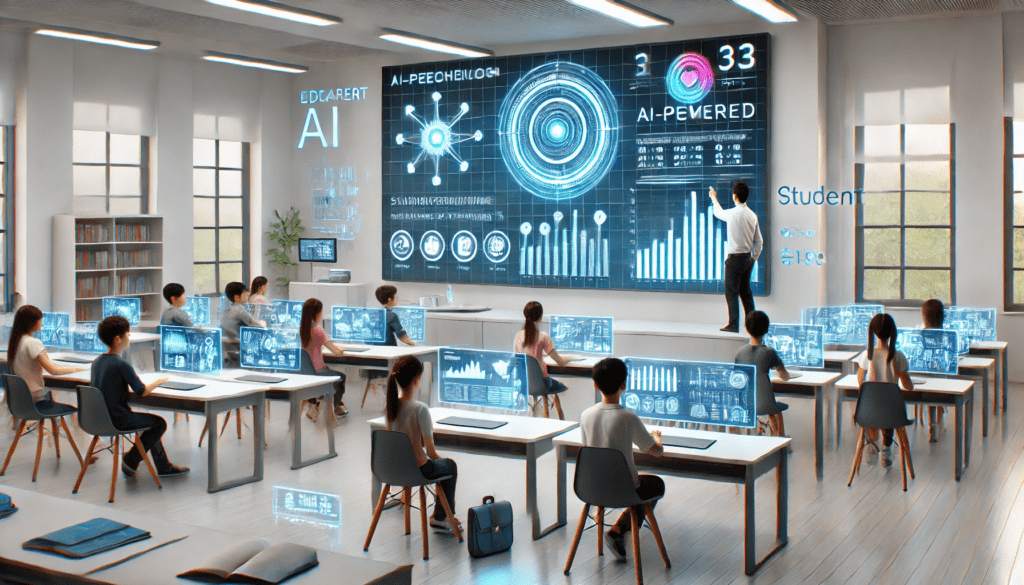
- Artificial intelligence that personalizes learning paths and provides real‑time feedback
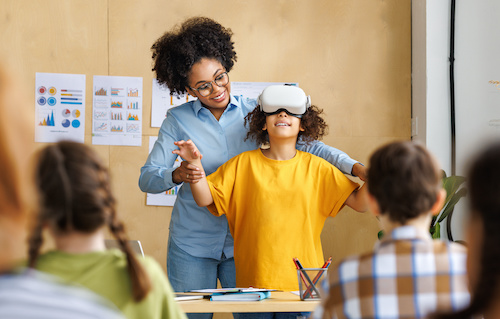
- Virtual and augmented reality that create immersive learning experiences
- Data analytics that inform instructional decisions and identify trends
However, technology alone is not sufficient. Effective integration requires intentional pedagogy, professional development for educators, and equitable access for all learners.
Challenges and Considerations
Despite the promise of education innovation models, several challenges persist:
Access and Equity
Not all learners have access to reliable internet, devices, or supportive learning environments. Bridging the digital divide is essential to ensure innovation benefits all students.
Professional Development
Teachers and administrators need ongoing training to implement innovative models effectively. Professional learning communities and coaching can build capacity and sustain change.
Evaluation and Accountability
Measuring the impact of innovative practices requires robust data and evaluation frameworks. Systems must balance flexibility with accountability to ensure quality outcomes.
Cultural Resistance
Change can be difficult in institutions with strong traditions. Fostering a culture of experimentation and learning from failure is critical for innovation to take root.
The Future of Education Innovation
As the world continues to evolve, so too will education innovation models. Future directions include:
- Expanded use of blockchain for credentialing
- Growth of micro‑credentials and modular learning pathways
- Personalized learning experiences driven by advanced analytics
- Global collaborations that share evidence‑based best practices
Learners, educators, and institutions that embrace innovation will be better positioned to thrive in a complex and interconnected world.
Conclusion
Education innovation models are reshaping the landscape of teaching and learning. By combining technology, learner‑centered pedagogy, and systemic reform, these models offer pathways to more engaging, equitable, and effective education. Whether through blended learning, competency‑based education, project‑based learning, or systemic policy innovation, the future of education depends on our ability to adapt and innovate.
For educators, administrators, and policymakers, understanding and implementing these models will be essential to delivering meaningful learning experiences and preparing learners for a rapidly changing global economy.