
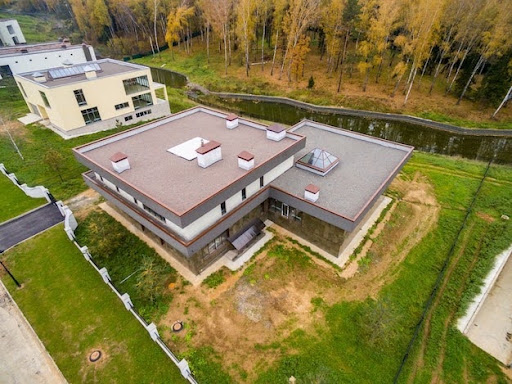
Building a house from scratch is exciting, but it is also one of the largest financial and personal commitments most people ever make. Custom home construction lets you shape every detail, from layout and materials to energy use and style, yet it also brings many decisions and risks. Strong planning before the first shovel hits the ground helps protect your budget, schedule, and peace of mind. This guide covers the key factors to consider. Understanding these factors early can prevent expensive mistakes.
1. Budget and Financing
Custom home construction costs include far more than building materials. Land, site preparation, utility connections, permits, design fees, landscaping, and furnishings all add to the total.
Create a detailed budget and add a contingency for surprises. Speak with a lender early to understand loan terms and how funds are released. Honest numbers prevent stress later.
2. Land and Location
The right plot affects both cost and enjoyment. Custom home construction depends on soil quality, slope, drainage, access, and available utilities. Order a survey and soil tests before buying, and check for easements and building restrictions.
Visit at different times of day to judge noise, traffic, and light. A beautiful plot can become expensive if conditions are poor.
3. Design and Layout
A good design reflects how you actually live. Before custom home construction begins, list the rooms, storage, and features your household needs now and later.
Think about accessibility, natural light, and flexible spaces for work or guests. Review drawings carefully, because changes after building starts are costly. Talk with every family member before drawings are final.
4. Choosing the Right Builder
Your builder strongly influences quality and stress levels. Reliable custom home construction requires a licensed, insured team with relevant experience.
Visit finished homes, talk to past clients, and compare written proposals. Look beyond price to communication, transparency, and workmanship. Trust your instincts about how they listen.
5. Permits, Codes, and Contracts
Local rules decide what you can build and how. Every custom home construction project must meet zoning, building, and safety requirements, which differ by location. Confirm who will obtain approvals.
Read the contract carefully, including scope, payment schedule, warranties, and procedures for changes. Consider having a lawyer review it before you sign.
6. Timeline and Materials
Delays can come from weather, supply problems, inspections, or late decisions. Smart custom home construction includes a realistic schedule with room for setbacks.
Choose major materials early, and consider durability, insulation, and energy efficiency. Quality choices can reduce maintenance and running costs for years. Keep written records of every decision, approval, and price change.
Final Thoughts
Custom home construction rewards careful preparation. Define your needs, set a realistic budget, research the land, choose a licensed builder, and read every contract. Keep records organized and visit the site regularly. With patience and trusted professionals, you can build a home that serves your family well for many years. Celebrate milestones along the way, and address concerns quickly so small problems never grow into costly delays. Always ask questions about anything that seems unclear.