
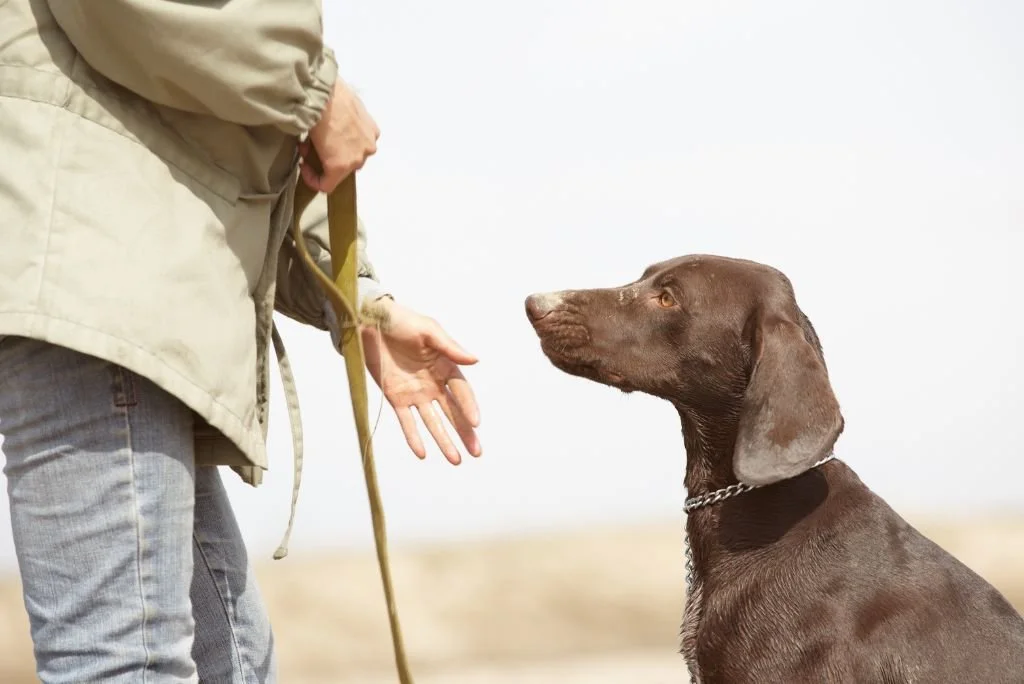
Companion Dog Training for Well-Behaved Dogs
Companion dog training plays a crucial role in shaping how dogs behave, learn, and respond to everyday life. Companion dog training is not just about teaching commands it is about building communication, trust, and structure between dogs and humans. With proper methods, dogs become more predictable, calmer, and easier to manage in different environments. Rob’s Dog Training focuses on structured, practical approaches that help dogs succeed in real-world situations.
In today’s world, companion dog training is an essential part of responsible pet ownership. Dogs are part of families, public spaces, and social settings, which means behavior standards matter more than ever. Without proper training, even friendly dogs can develop issues like anxiety, leash pulling, or poor impulse control. A well-structured training approach helps prevent these problems early and builds a stable foundation for lifelong behavior.
Understanding Companion Dog Training and Its Purpose
Companion dog training is designed to prepare dogs for everyday life with humans. Unlike working or sport-specific training, this approach focuses on household manners, obedience, and social behavior. The goal is to create a balanced companion that responds reliably to guidance.
A trained companion dog can:
- Walk calmly on a leash without pulling
- Respond to basic commands in distracting environments
- Behave appropriately around guests and strangers
- Adjust calmly to new environments and routines
These skills improve safety, reduce stress, and make daily routines more enjoyable for both dogs and owners.
Why Companion Dog Training Matters for Modern Dog Owners
Modern lifestyles expose dogs to more stimulation than ever before. Busy streets, other animals, loud sounds, and crowded environments can overwhelm untrained dogs. Companion dog training helps dogs adapt to these challenges with confidence.
Some key benefits include:
- Reduced behavioral problems such as barking and jumping
- Improved focus during walks and outings
- Better emotional control in stressful situations
- Stronger bond between dog and handler
- Increased safety in public spaces
Dogs that lack structure often struggle with anxiety or overexcitement. Training provides the mental clarity needed to handle everyday experiences calmly.
Core Principles Behind Effective Companion Dog Training
Successful companion dog training is built on consistency, communication, and reinforcement. Dogs learn best when expectations are clear and repeated regularly.
Positive Reinforcement Builds Reliable Behavior
Positive reinforcement is one of the most effective training techniques. Instead of punishing unwanted behavior, this method rewards correct actions. Rewards may include treats, praise, or play.
This approach:
- Encourages repetition of good behavior
- Builds trust between dog and trainer
- Reduces fear-based reactions
- Improves long-term retention of commands
Dogs trained with positive reinforcement tend to show higher engagement and willingness to learn.
Consistency Creates Understanding
Dogs rely heavily on patterns. If rules change frequently, confusion can lead to inconsistent behavior. Using the same commands, tone, and expectations helps dogs understand what is required.
Consistency includes:
- Using the same verbal cues
- Maintaining predictable routines
- Reinforcing rules across all environments
When consistency is maintained, dogs respond more quickly and confidently.
Timing and Clarity in Communication
Timing is critical in companion dog training. Rewards or corrections must occur immediately after behavior to ensure understanding. Delayed responses can confuse dogs and slow progress.
Clear communication also involves:
- Short and simple commands
- Calm body language
- Avoiding mixed signals
Dogs are highly responsive to tone and energy, making clarity essential for success.
Common Behavioral Issues and How Training Solves Them
Many dog owners face similar behavioral challenges. Companion dog training provides structured solutions that address these issues effectively.
Leash Pulling
Leash pulling is often caused by excitement or lack of guidance. Structured leash training teaches dogs to walk calmly beside their handler. Techniques like stop-and-go walking and direction changes help correct this behavior.
Excessive Barking
Barking can result from boredom, anxiety, or overstimulation. Training focuses on identifying triggers and teaching alternative behaviors such as focus commands or calm positioning.
Separation Anxiety
Dogs with separation anxiety may become destructive or vocal when left alone. Gradual desensitization and independence training help reduce emotional dependence.
Jumping on People
Jumping is a common greeting behavior. Training replaces this habit with calm sitting or controlled greetings to improve social interactions.
Building Strong Foundations in Early Training
Early companion dog training creates long-term stability. Puppies that learn structure early are less likely to develop behavioral problems later in life.
Important early training areas include:
- House training and crate introduction
- Socialization with people and other dogs
- Basic obedience commands
- Bite inhibition and impulse control
Early exposure to structured learning helps puppies grow into balanced adult dogs.
Advanced Companion Dog Training Techniques
Once basic obedience is established, advanced training helps dogs perform reliably in more complex situations.
Off-Leash Reliability
Off-leash training requires strong recall skills and focus. Dogs learn to return immediately when called, even with distractions present.
Distraction Training
This method introduces controlled distractions such as other dogs, food, or noise. Dogs learn to maintain focus despite external stimuli.
Real-World Training Scenarios
Training in real environments like parks, sidewalks, and busy areas ensures dogs can apply learned skills outside controlled settings.
These advanced techniques improve confidence and adaptability in everyday life.
The Role of Professional Guidance in Training Success
While some training can be done at home, professional guidance often accelerates results. Structured programs provide consistency, expertise, and customized solutions for different behavioral needs.
Rob’s Dog Training offers experience-based training methods designed to address both basic obedience and complex behavior challenges. Professional trainers can quickly identify root causes of behavior and apply targeted strategies for improvement.
Benefits of professional support include:
- Faster behavior correction
- Personalized training plans
- Improved owner confidence
- Structured learning environment
Long-Term Benefits of Companion Dog Training
Companion dog training is not a short-term solution it is a long-term investment in a dog’s behavior and well-being. Over time, trained dogs become more adaptable, stable, and enjoyable to live with.
Long-term benefits include:
- Reduced stress in daily interactions
- Stronger communication between dog and owner
- Improved safety in public environments
- Better mental stimulation and engagement
- Fewer behavioral disruptions over time
Well-trained dogs are more likely to remain calm in unfamiliar situations and respond appropriately to guidance.
Building a Strong Human-Dog Relationship
Beyond obedience, companion dog training strengthens the emotional bond between dogs and humans. Clear communication builds trust, while consistent training reinforces mutual respect.
Dogs that understand expectations feel more secure and confident. This leads to a healthier relationship where both sides understand each other’s signals and needs.
Conclusion
Companion dog training is essential for creating well-behaved, confident, and adaptable dogs. Through structured obedience, positive reinforcement, and consistent practice, dogs learn how to navigate everyday life successfully. From basic manners to advanced off-leash control, training shapes long-term behavior and improves quality of life.
Professional guidance from Rob’s Dog Training (https://robsdogs.com/) ensures that training is effective, structured, and tailored to individual needs. With the right approach, companion dog training transforms not only behavior but also the relationship between dogs and their owners, creating lasting trust and harmony.