



Blog

  • Remote Learning Systems: The Future of Education and Skills Development

    Remote Learning Systems: The Future of Education and Skills Development

    Introduction: Understanding Remote Learning Systems

    In the modern educational landscape, remote learning systems have become more than just a trending topic — they are a foundational pillar reshaping how education, professional training, and lifelong learning occur worldwide. Remote learning systems refer to technological platforms, instructional frameworks, communication tools, and digital content delivery mechanisms that enable learners to access education and training without needing physical presence in traditional classrooms or training centers. These systems leverage internet technologies, software solutions, and innovative pedagogies to make learning accessible, flexible, and scalable across geographical boundaries.

    Remote learning has evolved dramatically over recent decades, but it became particularly widespread during global disruptions such as the COVID‑19 pandemic. During that period, schools, universities, corporate trainers, and educational providers relied heavily on remote learning systems to ensure continuity of instruction and skills development — from K‑12 classrooms to professional development courses.

    At its core, remote learning is part of the broader category of distance education and educational technology, blending instructional design with digital tools and platforms to support diverse learner needs.

    Key Components of Remote Learning Systems

    Remote learning systems encompass several interdependent components that work together to create effective and meaningful learning experiences:

    1. Learning Management Systems (LMS)

    Learning Management Systems (LMS) are the backbone of many remote learning systems. Platforms like Canvas, Moodle, and other proprietary solutions provide centralized environments where learners can access course content, submit assignments, participate in discussions, and track progress. These systems streamline the administration and delivery of educational content, making learning organized and efficient for both learners and educators.

    2. Synchronous and Asynchronous Tools

    Remote learning systems use both synchronous (real‑time) and asynchronous tools. Synchronous tools include video conferencing platforms that allow live lectures, group discussions, and real‑time interaction with educators. Asynchronous tools include pre‑recorded lectures, assessments, and discussion forums that learners can engage with at their own pace. This dual approach caters to diversified learning preferences and enhances flexibility.

    3. Communication and Collaboration Technologies

    Effective remote learning systems include communication platforms like chat services and discussion boards that support learner collaboration, peer engagement, and instructor feedback. These tools help foster a sense of community and social interaction, which is essential for learner motivation and retention.

    4. Multimedia and Interactive Content

    Rich multimedia — including videos, simulations, and interactive activities — enhances learning engagement and helps learners understand complex concepts through visual, auditory, and experiential methods. Remote learning systems that integrate multimedia content tend to support deeper learning outcomes and improved learner satisfaction.

    5. Assessment and Analytics Tools

    Assessment tools help measure learning progress through quizzes, exams, project submissions, and other evaluation formats. Learning analytics technologies provide data that instructors can use to track engagement patterns, identify learners who need support, and optimize instructional strategies.

    Benefits of Remote Learning Systems

    Remote learning systems offer a broad array of benefits across education sectors, workforce training, and lifelong learning initiatives. These advantages are not only academic but also aligned with socio‑economic needs in the digital era.

    1. Accessibility and Global Reach

    One of the prime advantages of remote learning systems is expanded accessibility. By breaking down geographical barriers, remote learning enables students in rural or underserved regions to access quality education and learning resources that might otherwise be unavailable. This democratization of learning opens opportunities for people worldwide to pursue knowledge, skills, and credentials regardless of their location.

    2. Flexibility and Learner Autonomy

    Remote learning systems allow learners to engage with content on flexible schedules. Asynchronous modules empower learners to study when it suits them best — which is especially beneficial for working professionals, adult learners, or individuals with caregiving responsibilities. This flexibility also helps learners balance education with other life commitments.

    3. Personalized Learning Pathways

    Advanced remote learning systems increasingly incorporate adaptive learning technologies such as artificial intelligence (AI). AI‑driven platforms can analyze learner data, identify strengths and weaknesses, and adjust content delivery to match individual learning styles and preferences. Personalized learning experiences often lead to higher engagement and improved learning outcomes.

    4. Cost‑Effectiveness

    Remote learning systems can significantly reduce the cost of education. Learners save on commuting, housing, and other expenses associated with physical attendance, while institutions benefit from reduced infrastructure and logistical costs. In many cases, remote learning content can be reused, scaled, and updated more efficiently than traditional classroom resources.

    5. Expanded Content Variety and Global Collaboration

    Remote learning systems enable access to a vast array of courses, certifications, and expert instructors from around the world. Students can enroll in classes offered by international universities, specialized training providers, and industry leaders without relocating. This global reach expands the richness of educational content and fosters cross‑cultural collaboration.

    6. Data‑Driven Improvement

    Remote learning systems often produce valuable data on learner engagement, progression, and performance. When used ethically and responsibly, this data can help educators refine curricula, identify gaps in instruction, and create more effective teaching strategies — ultimately enhancing the quality of education.

    Challenges and Considerations

    While remote learning systems provide substantial advantages, they also present notable challenges that educators, learners, and institutions must address:

    1. Digital Equity

    Access to stable internet connectivity, appropriate devices, and digital infrastructure remains uneven across regions and socio‑economic groups. Without active measures to address digital equity, remote learning systems can unintentionally widen educational disparities.

    2. Engagement and Social Presence

    Remote learning environments can face challenges in fostering engagement and social presence comparable to traditional classrooms. Learners may experience feelings of isolation, reduced motivation, or lack of community if interaction mechanisms are not thoughtfully integrated.

    3. Self‑Discipline and Motivation

    Remote learning systems require a level of learner self‑discipline, time‑management skills, and intrinsic motivation. Some learners may struggle with self‑paced environments without structured schedules and direct in‑person support.

    Emerging Technologies and the Future of Remote Learning Systems

    The future of remote learning systems is shaped by continuous innovation in educational technology. Several key trends are redefining how remote learning content is delivered and experienced:

    1. Artificial Intelligence and Adaptive Learning

    AI integration in remote learning systems enables personalized learner pathways, real‑time feedback, and intelligent tutoring. By adapting content delivery to individual needs, AI enhances learning efficiency and outcomes.

    2. Virtual Reality (VR) and Augmented Reality (AR)

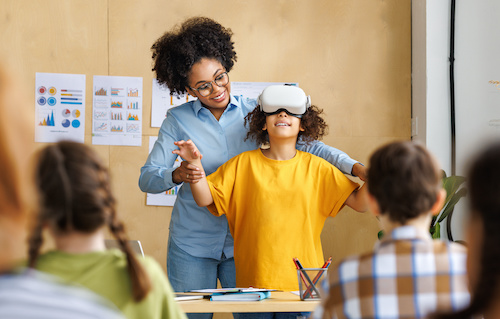
    Immersive technologies like Virtual Reality (VR) and Augmented Reality (AR) are transforming remote learning systems by enabling experiential learning in simulated environments. VR can place learners in virtual classrooms or training scenarios, while AR overlays digital content onto real‑world spaces, making learning interactive and engaging.

    3. Blockchain for Credentialing

    Blockchain technology is emerging as a secure way to verify and store educational credentials. This enhances transparency and trust in remote learning outcomes, especially for digital certificates, micro‑credentials, and professional badges.

    4. Social Learning Platforms

    Remote learning systems are increasingly incorporating collaborative, social learning platforms that enable peer interaction, group projects, and community‑driven knowledge sharing. These features help replicate the social components of physical classrooms.

    Conclusion

    Remote learning systems represent a transformative force in education and training. From increased accessibility and flexibility to personalized learning experiences and global collaboration, these systems are redefining how knowledge is delivered and acquired in the digital age. While challenges such as digital equity and learner engagement persist, ongoing advancements in technology, instructional design, and support structures position remote learning systems at the forefront of educational innovation.

    For educators, institutions, and learners alike, understanding and embracing remote learning systems is essential for navigating the future of education and workforce development. As these systems continue to evolve, they will play a pivotal role in shaping more inclusive, efficient, and learner‑centric educational ecosystems worldwide.

  • Smart School Technology: Transforming Education for the Future

    Smart School Technology: Transforming Education for the Future

    In the rapidly evolving world of education, Smart School Technology has moved from a futuristic concept to a practical necessity. Schools around the globe are adopting intelligent digital systems to improve teaching effectiveness, student engagement, administrative efficiency, and overall educational outcomes. In this blog, we will explore what smart school technology is, its key components, benefits, practical examples, and future trends that educational institutions need to understand to stay ahead.

    What Is Smart School Technology?

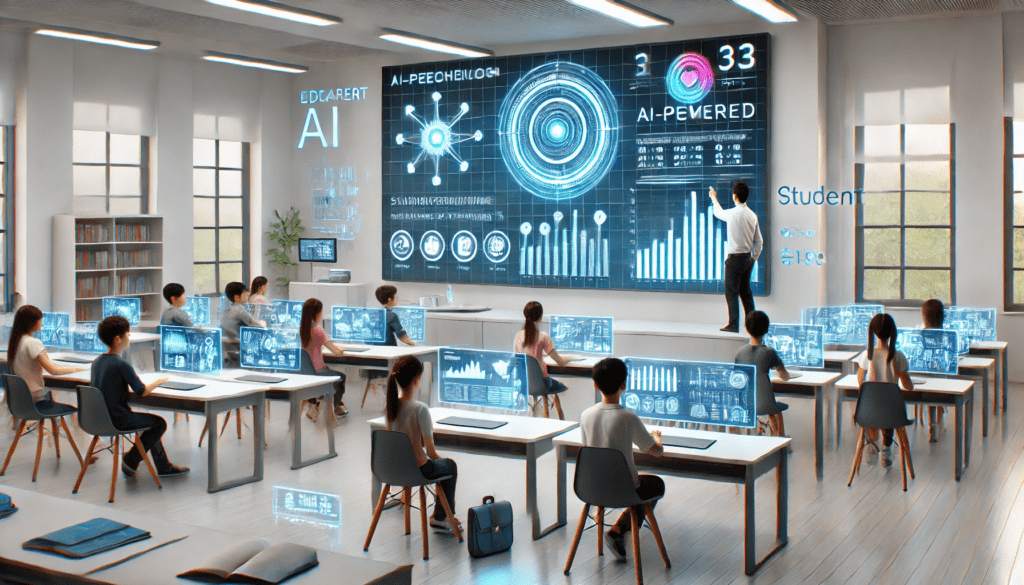
    At its core, Smart School Technology refers to the integration of digital tools, advanced hardware, and intelligent software systems within educational environments to enhance teaching, learning, assessment, and school management. Unlike traditional classrooms that rely heavily on textbooks and chalkboards, smart schools incorporate technologies such as interactive displays, artificial intelligence (AI), the Internet of Things (IoT), cloud‑based platforms, and learning analytics to create responsive and engaging learning environments.

    A smart classroom, which is a foundational element of smart school technology, is a teaching space equipped with such tools to facilitate interactive instruction and personalized learning. These classrooms help bridge the gap between students and educators by making lessons more engaging and adaptive.

    Core Components of Smart School Technology

    To appreciate the full potential of smart school technology, it’s important to recognize its major components:

    1. Interactive Displays and Digital Whiteboards

    Interactive screens and digital whiteboards replace traditional blackboards with technology that allows teachers and students to write, draw, and interact with digital content directly. These tools support multimedia presentations, real‑time annotation, and collaborative tasks, which improve engagement across diverse learners.

    2. Artificial Intelligence (AI) and Machine Learning

    AI underpins many smart education systems by offering features such as personalized lessons, real‑time feedback, automated grading, and learning analytics. Machine learning algorithms can analyze student data to identify knowledge gaps and recommend tailored content to help students progress.

    3. Learning Management Systems (LMS) and Cloud Platforms

    Cloud‑based LMS platforms like Google Classroom and Canvas allow teachers to manage course materials, assignments, and assessments digitally. These systems also make educational resources accessible anytime and anywhere, supporting blended and remote learning models.

    4. Internet of Things (IoT) Devices

    IoT devices like smart lighting, environmental sensors, RFID attendance systems, and connected devices provide real‑time data about the classroom environment and student interactions. This data can improve safety, optimize resource usage, and help educators better understand student behavior.

    5. Virtual and Augmented Reality (VR / AR)

    Immersive technologies like VR and AR create rich learning experiences that visualize complex concepts, such as historical events, scientific phenomena, and mathematical models, making lessons more interactive and memorable.

    Benefits of Implementing Smart School Technology

    Smart school technology brings tangible advantages to students, educators, and administrators alike. Below are some of the key benefits:

    Enhanced Student Engagement

    Technology tools make lessons more interactive and engaging. Visual aids, interactive lessons, simulations, and collaborative platforms capture students’ interest more effectively than traditional methods. This increase in engagement supports better concept retention and strengthens classroom participation.

    Personalized Learning Experiences

    One of the most impactful benefits of smart school technology is the ability to provide personalized learning. Through AI‑powered analytics, educators can understand each student’s learning pace and style, then tailor lessons and feedback accordingly. This level of personalization helps students overcome challenges and build confidence in their abilities.

    Improved Accessibility

    Educational technology allows students from diverse locations and backgrounds to access high‑quality learning resources. Remote learning tools and digital content eliminate geographical barriers and make education more inclusive for students with special needs or mobility challenges.

    Real‑Time Assessment and Feedback

    Digital assessments and analytics enable teachers to evaluate student performance instantly and adjust teaching strategies dynamically. Real‑time feedback accelerates learning growth and allows interventions to be applied when students need them most.

    Streamlined School Administration

    Smart school tech solutions extend beyond classrooms. School management systems automate administrative tasks like attendance, fee tracking, scheduling, and communication with parents, reducing manual workload and improving overall efficiency.

    Practical Examples of Smart School Technology in Use

    To further illustrate how smart school technology transforms education, here are real‑world applications:

    Digital Classroom Tools

    Schools increasingly use digital boards and smart displays connected to learning platforms. These tools support interactive lessons, video playback, and shared work between teacher and student devices, fostering collaborative learning.

    AI‑Driven Tutoring Systems

    Adaptive tutoring systems use AI to provide on‑demand, personalized instruction. These tools can recommend exercises, offer hints, and guide students through challenging material, supplementing teacher efforts.

    Attendance and Monitoring Solutions

    Smart sensors and linked software automate attendance tracking and monitor classroom environments. This not only saves time but also provides insights into classroom dynamics and student engagement patterns.

    Immersive Learning with VR / AR

    For subjects like science, geography, and history, VR and AR environments enable students to explore virtual ecosystems, historical sites, and interactive simulations, making lessons experiential rather than purely theoretical.

    Challenges and Considerations

    Despite its many advantages, adopting smart school technology also comes with challenges:

    Infrastructure and Cost

    Deploying smart technologies requires reliable internet access, modern devices, and ongoing technical support. These demands can strain school budgets, particularly in underserved areas.

    Teacher Training

    Effective integration of technology requires that teachers are trained not just in using tools but in adapting pedagogy to leverage digital capabilities fully.

    Data Privacy and Security

    Collecting and analyzing student data raises concerns about data privacy. Schools must implement robust policies to protect student information while still benefiting from analytics.

    What the Future Holds

    The future of Smart School Technology is promising and dynamic. Emerging innovations like AI‑enhanced personalized curriculum development, blockchain in credentialing, advanced VR immersive labs, and predictive analytics for student outcomes will continue reshaping education. Schools that embrace these technologies not only modernize learning but also equip students with digital literacy and critical skills needed in the 21st century.

    As educational models continue to evolve, smart school technology will be central to creating flexible, responsive, and inclusive learning environments for future generations of learners.

  • Education Innovation Models: Transforming Learning for the Future

    Education Innovation Models: Transforming Learning for the Future

    In an era defined by rapid technological advancement, globalization, and shifting workforce demands, education innovation models have become pivotal to preparing learners for success. Traditional methods of instruction are no longer sufficient to address the needs of diverse learners, evolving job markets, and a digitally connected world. Today’s educators, administrators, and policymakers are turning to innovative education models that blend technology, pedagogy, and systemic reform to create more effective, equitable, and future‑ready learning environments.

    This comprehensive blog explores the concept of education innovation models, highlights key frameworks being applied globally, and demonstrates how these approaches are reshaping teaching and learning for the twenty‑first century.


    What Are Education Innovation Models?

    Education innovation models refer to structured frameworks that intentionally redesign teaching, learning, and administrative processes to improve outcomes. These models often incorporate one or more of the following components:

    • Technology integration to enable personalized learning
    • Competency‑based progression that values mastery over seat time
    • Learner‑centered approaches that prioritize individual interests and needs
    • Collaborative partnerships with industry and community organizations

    The goal is to make education more responsive, engaging, equitable, and aligned with real‑world expectations.


    Why Innovation in Education Matters

    Innovation in education is not just a trend; it is a response to systemic challenges that have persisted for decades:

    1. Skill Gaps
      Many learners complete formal education without the skills employers demand. According to the Organisation for Economic Co‑operation and Development (OECD), there is a global need for improved skills such as critical thinking, creativity, and collaboration.
    2. Equity Issues
      Traditional models can perpetuate disparities based on socioeconomic status, location, language proficiency, and access to resources. Innovative models aim to reduce these gaps.
    3. Learner Engagement
      Conventional lecture‑based instruction may not engage all learners meaningfully. Education innovation fosters active participation and relevance.
    4. Rapid Technological Change
      As digital tools evolve, education must adapt to prepare learners for technology‑rich environments.

    Because of these pressures, innovation models are no longer optional; they are essential for building resilient and adaptive education systems worldwide.


    Key Education Innovation Models

    Below are some of the most influential and widely applied education innovation models shaping contemporary learning systems.

    1. Blended Learning

    Blended learning combines face‑to‑face instruction with online learning, allowing students greater flexibility and choice in how they engage with content. Common models include:

    • Rotation model where students rotate between online and in‑person stations
    • Flex model that allows learners to progress through content at their own pace
    • A La Carte model where learners take some courses online and others in traditional settings

    Blended learning supports differentiated instruction and allows educators to use data from learning management systems to tailor support for individual learners.

    2. Competency‑Based Education (CBE)

    Competency‑Based Education (CBE) focuses on mastery rather than time spent in a classroom. Learners advance only when they demonstrate proficiency in specific skills, which promotes deeper understanding and personalized pacing. CBE is particularly valuable in:

    • Postsecondary education
    • Workforce training programs
    • Micro‑credentialing initiatives

    By prioritizing competencies, schools and training programs align learning with tangible outcomes valued by employers.

    3. Personalized Learning

    Personalized learning places the learner at the center of the educational process. It adapts content, pace, and learning paths based on student interests, performance data, and individual goals. Key features include:

    • Customized instructional strategies
    • Adaptive technology platforms
    • Continuous formative feedback

    When effectively implemented, personalized learning can increase motivation and ensure that all learners receive instructional support that matches their readiness levels.

    4. Project‑Based Learning

    Project‑Based Learning (PBL) immerses learners in real‑world problems and projects that require sustained inquiry, critical thinking, and collaboration. Unlike traditional assignments, PBL results in authentic products, presentations, or solutions. Core advantages include:

    • Enhanced relevance of content
    • Development of transferable skills
    • Engagement through real challenges

    PBL aligns closely with 21st century skills frameworks, emphasizing application over rote memorization.

    5. Flipped Classroom Model

    The flipped classroom reverses traditional instruction by delivering lecture content outside of class (often online) and dedicating in‑class time to practice, discussion, and application. Benefits include:

    • More time for active learning in the classroom
    • Increased opportunity for teacher support
    • Greater learner agency

    This model supports differentiated instruction and allows educators to focus on facilitation rather than lecturing.

    6. Maker Education

    Maker education, rooted in the maker movement, emphasizes hands‑on creation, experimentation, and iterative design. Learners engage in building tangible artifacts using tools such as 3D printers, robotics kits, and coding platforms. Maker education fosters:

    • Creativity and innovation
    • Design thinking
    • Cross‑disciplinary learning

    This model is especially effective in science, technology, engineering, arts, and mathematics (STEAM) education.


    System‑Level Innovation Approaches

    Beyond classroom‑based models, systemic innovation is transforming how entire education systems operate.

    1. Education Ecosystems

    Education ecosystems involve collaborative networks among schools, universities, government agencies, non‑profit organizations, and private sector partners. These networks streamline resources, share best practices, and create pathways from learning to employment.

    For example, partnerships between universities and employers help ensure that curriculum design aligns with labor market needs—reducing skills mismatches and improving graduate outcomes.

    2. Policy Innovation

    Governments and international bodies such as UNESCO (United Nations Educational, Scientific and Cultural Organization) are catalyzing systemic change through policy frameworks that support innovation. This includes funding for digital infrastructure, teacher professional development, and research on effective practices.

    Policy innovation often includes:

    • Standards for digital literacy
    • Incentives for competency‑based approaches
    • Frameworks for lifelong learning

    These regulatory shifts provide schools and institutions with the flexibility to experiment and scale promising models.

    3. Open Educational Resources (OER)

    Open Educational Resources are free, openly licensed learning materials that can be reused and adapted. OER support cost reduction, broaden access, and enable educators to customize content for their learners.

    Institutions around the world are increasingly adopting OER to expand access and foster collaboration.


    Technology’s Role in Education Innovation

    Technology is a foundational driver of modern innovation models. Key technological enablers include:

    • Learning management systems (LMS) such as Moodle or Canvas, which centralize content and assessment
    • Artificial intelligence that personalizes learning paths and provides real‑time feedback
    • Virtual and augmented reality that create immersive learning experiences
    • Data analytics that inform instructional decisions and identify trends

    However, technology alone is not sufficient. Effective integration requires intentional pedagogy, professional development for educators, and equitable access for all learners.


    Challenges and Considerations

    Despite the promise of education innovation models, several challenges persist:

    Access and Equity

    Not all learners have access to reliable internet, devices, or supportive learning environments. Bridging the digital divide is essential to ensure innovation benefits all students.

    Professional Development

    Teachers and administrators need ongoing training to implement innovative models effectively. Professional learning communities and coaching can build capacity and sustain change.

    Evaluation and Accountability

    Measuring the impact of innovative practices requires robust data and evaluation frameworks. Systems must balance flexibility with accountability to ensure quality outcomes.

    Cultural Resistance

    Change can be difficult in institutions with strong traditions. Fostering a culture of experimentation and learning from failure is critical for innovation to take root.


    The Future of Education Innovation

    As the world continues to evolve, so too will education innovation models. Future directions include:

    • Expanded use of blockchain for credentialing
    • Growth of micro‑credentials and modular learning pathways
    • Personalized learning experiences driven by advanced analytics
    • Global collaborations that share evidence‑based best practices

    Learners, educators, and institutions that embrace innovation will be better positioned to thrive in a complex and interconnected world.


    Conclusion

    Education innovation models are reshaping the landscape of teaching and learning. By combining technology, learner‑centered pedagogy, and systemic reform, these models offer pathways to more engaging, equitable, and effective education. Whether through blended learning, competency‑based education, project‑based learning, or systemic policy innovation, the future of education depends on our ability to adapt and innovate.

    For educators, administrators, and policymakers, understanding and implementing these models will be essential to delivering meaningful learning experiences and preparing learners for a rapidly changing global economy.

  • Academic Success Techniques: A Comprehensive Guide to Excelling in Education

    Academic Success Techniques: A Comprehensive Guide to Excelling in Education

    Academic success is not achieved by luck; it is the result of consistent effort, effective strategies, and a strong mindset. Whether you are a high school student preparing for exams, a university learner managing multiple responsibilities, or a lifelong learner aiming to expand your knowledge, adopting the right academic success techniques can dramatically improve your results. In this blog post, we will explore proven techniques, backed by research and practical application, that can help you unlock your full academic potential.


    Understanding Academic Success

    Academic success refers to achieving learning goals and performing well in educational settings, including high schools, colleges, universities, and online learning platforms. It involves mastering course materials, managing time effectively, cultivating critical thinking skills, and applying knowledge in real-world scenarios.

    The journey toward academic success begins with the right mindset. Students who believe in their ability to improve and grow academically are more resilient, adaptable, and willing to embrace challenges. Cultivating a growth mindset, as defined by psychologist Carol Dweck, is one of the most foundational academic success techniques.


    Key Academic Success Techniques

    1. Set Clear and Measurable Goals

    Setting clear goals is a powerful academic success technique because it provides direction and purpose. Goals should be:

    • Specific (e.g., improving mathematics grade from B to A)
    • Measurable (quantifiable results or milestones)
    • Achievable (realistic but challenging)
    • Relevant (aligned with your broader academic objectives)
    • Time‑bound (with deadlines)

    For example, instead of saying “I want to study more,” a measurable goal would be “I will complete three chapters of my biology textbook by Friday.”

    Creating a personal academic success plan with daily, weekly, and monthly goals helps you stay focused and accountable.


    2. Develop Effective Time Management Skills

    Time management is one of the most critical academic success techniques. Without it, even motivated students can feel overwhelmed. To manage your time effectively:

    • Use a planner or digital calendar
    • Break study sessions into manageable blocks
    • Prioritize tasks using the Eisenhower Matrix
    • Schedule time for breaks to avoid burnout
    • Establish routines around peak productivity hours

    For example, you can apply the Pomodoro Technique—studying for 25 minutes with a 5‑minute break—to maintain high focus and prevent fatigue.


    3. Create an Organized Study Environment

    Your physical environment can significantly impact your ability to learn. Successful students create a dedicated study space that is:

    • Quiet and free from distraction
    • Well‑lit with minimal noise
    • Equipped with necessary study tools (notes, textbooks, laptop)
    • Free from interruptions during scheduled study blocks

    A clutter‑free and organized workspace promotes concentration and reinforces a productive study mindset.


    4. Master Active Learning Strategies

    Passive reading or listening is less effective than active engagement. Active learning techniques include:

    • Self‑testing using flashcards or practice questions
    • Summarization of key concepts in your own words
    • Teaching a topic to a friend or peer
    • Creating concept maps to visualize relationships
    • Engaging in group study sessions for discussion and clarification

    Active learning encourages deeper understanding and improves long‑term retention.


    5. Use Technology to Your Advantage

    In the digital age, technology can be a valuable academic success technique when used wisely. Useful tools include:

    • Note‑taking apps such as Notion and Evernote
    • Flashcard platforms like Anki
    • Time management tools such as Google Calendar
    • Online libraries and research databases
    • Collaborative platforms like Microsoft Teams and Zoom

    However, it is important to avoid distractions from social media, streaming platforms, and notifications during study time.


    6. Practice Regular Revision and Review

    Regular revision strengthens memory and prevents last‑minute stress. Instead of cramming, use spaced repetition, which involves reviewing materials at increasing intervals. This technique has been proven to enhance memory retention dramatically.

    A typical revision schedule might look like:

    • Day 1: Study new material
    • Day 2: Review material again
    • Day 7: Review material after one week
    • Day 21: Final review before exams

    Frequent review reinforces learning and ensures concepts move from short‑term to long‑term memory.


    7. Seek Help and Collaborate

    Academic success does not have to be a solo journey. Seeking help is a sign of strength, not weakness. Techniques for collaborative learning include:

    • Joining study groups
    • Attending tutoring sessions
    • Asking questions in class
    • Reaching out to instructors during office hours

    Collaboration increases exposure to different perspectives and can clarify difficult topics.


    8. Prioritize Health and Wellness

    Physical and mental well‑being are essential for academic success. Students who perform at a high level are often those who:

    • Get sufficient sleep (7–9 hours per night)
    • Eat balanced meals with brain‑healthy nutrients
    • Stay hydrated
    • Exercise regularly
    • Manage stress using mindfulness or relaxation techniques

    Neglecting health impacts concentration, memory, and emotional resilience—all of which are vital for academic success.


    9. Embrace Feedback and Continuous Improvement

    Feedback from teachers, peers, and mentors is a valuable academic success technique. Constructive feedback helps you identify areas of improvement and refine your strategies. When receiving feedback:

    • Maintain an open mindset
    • Ask for clarification if needed
    • Create an action plan based on suggestions
    • Track progress over time

    Continuous improvement distinguishes high‑achieving students from average performers.


    Common Challenges and Solutions

    Even with strong academic success techniques, students may face setbacks. Here are common challenges and how to address them:

    Challenge: Procrastination

    Solution: Break tasks into smaller pieces, set deadlines, and commit to starting work—even for five minutes—to build momentum.

    Challenge: Lack of Motivation

    Solution: Revisit your goals, find inspiration through role models, and remind yourself of the long‑term benefits of academic success.

    Challenge: Difficulty Understanding Course Material

    Solution: Use additional resources like online tutorials, textbooks, and study groups. Don’t hesitate to ask teachers for help.

    Challenge: Balancing School and Personal Life

    Solution: Prioritize tasks, create a balanced schedule, and set boundaries between academic work and leisure.


    Measuring Your Academic Progress

    Tracking progress is an important academic success technique. Use tools such as:

    • Progress charts
    • Grade logs
    • Reflection journals
    • Self‑assessment quizzes
    • Academic portfolios

    Regular assessment helps you see what is working and where adjustments are needed.


    Conclusion

    Achieving academic success is an ongoing process that requires purposeful planning, disciplined execution, and personal growth. By implementing the academic success techniques outlined in this article—setting clear goals, managing time effectively, engaging in active learning, leveraging technology, practicing regular revision, seeking help, and prioritizing wellness—you can build a strong foundation for lifelong learning and achievement.

    Remember that success is not an endpoint. It is a continuous journey of improvement, resilience, and self‑discovery. Start applying these strategies today, and watch your academic performance soar.

  • Modern Learning Trends: The Future of Education in a Digital Era

    Modern Learning Trends: The Future of Education in a Digital Era

    In today’s fast‑changing world, education is undergoing a profound transformation. Traditional classroom models are evolving to incorporate digital technologies, learner‑centered approaches, and data‑driven insights. Modern learning trends are reshaping how knowledge is acquired, delivered, and applied — from early childhood education to professional upskilling. This article explores these trends in depth, offering actionable insights for educators, learners, and institutions aiming to thrive in the 21st century.

    1. Personalized Learning: Tailoring Education to the Individual

    One of the most influential modern learning trends is personalized learning. At its core, personalized learning adapts educational experiences to meet individual learners’ strengths, needs, and interests. Rather than enforcing a one‑size‑fits‑all curriculum, personalized learning leverages adaptive technologies and analytics to tailor pacing, pathways, and content.

    Institutions such as Carnegie Learning are at the forefront of delivering personalized math and literacy solutions that adjust in real time based on student performance. Similarly, Knewton uses algorithms to recommend resources that match each learner’s proficiency.

    Benefits of personalized learning include:

    • Enhanced engagement by aligning instruction with learner interests.
    • Better outcomes through targeted intervention.
    • Increased learner autonomy and motivation.

    2. eLearning and Online Platforms: Learning Without Boundaries

    The rise of online learning has been one of the most visible modern learning trends. The proliferation of high‑quality digital platforms has made knowledge accessible across geographies, economic classes, and age groups.

    Key platforms include:

    • Coursera – Offers courses from top universities and industry leaders.
    • edX – Provides Massive Open Online Courses (MOOCs) created by institutions like Harvard University and Massachusetts Institute of Technology.
    • Udemy – Hosts thousands of professional and hobbyist courses.

    Online platforms support flexible learning schedules, affordability, and diverse content formats including video, quizzes, and discussion forums. Since learners can access courses on demand, remote learning has become especially valuable for working adults and lifelong learners.

    3. Gamification: Making Learning Fun and Engaging

    Gamification involves incorporating game design elements into educational contexts to enhance engagement. Points, badges, leaderboards, and challenges transform traditional learning tasks into interactive experiences.

    Organizations such as Duolingo have demonstrated how gamification can significantly boost retention and motivation. In schools, gamified learning can improve classroom participation and encourage healthy competition.

    The benefits of gamification include:

    • Increased learner motivation and persistence.
    • Immediate feedback that reinforces learning.
    • Higher retention rates through interactive engagement.

    4. Microlearning: Bite‑Sized Education for Busy Lives

    Microlearning consists of delivering instructional content in short, focused bursts, usually between two and ten minutes in length. This trend aligns well with today’s fast‑paced lifestyle and shorter attention spans.

    Microlearning is particularly effective for:

    • Skill refreshers and performance support.
    • Onboarding and compliance training.
    • Just‑in‑time learning scenarios.

    Platforms like LinkedIn Learning and Skillshare offer micro‑courses that help professionals upskill quickly and conveniently.

    5. Blended Learning: Best of Both Worlds

    Blended learning combines traditional face‑to‑face instruction with digital learning activities. This hybrid model allows educators to leverage classroom interactions for discussion and critical thinking while using digital tools for personalization and practice.

    Blended learning frameworks include:

    • Flipped classrooms, where students review content at home and engage in discussions in class.
    • Station rotation models, which combine online and offline tasks within a single session.

    According to research from institutions such as The Bill & Melinda Gates Foundation, blended learning can improve student achievement when thoughtfully implemented.

    6. Artificial Intelligence: Smarter Tools for Smarter Learning

    Artificial Intelligence (AI) is rapidly transforming education by enabling intelligent tutoring systems, automated grading, and predictive analytics. AI can assess learner performance patterns and recommend targeted support when learners struggle.

    Examples of AI in learning:

    • Chatbots that provide instant feedback and answers to student queries.
    • Adaptive assessments that adjust difficulty levels in real time.
    • AI‑powered content curation to personalize reading lists and practice exercises.

    Emerging AI‑based tools can help educators identify at‑risk students early, allowing for proactive intervention that improves retention and success rates.

    7. Virtual and Augmented Reality: Immersive Experiences

    Virtual Reality (VR) and Augmented Reality (AR) are expanding experiential learning. These technologies place learners in simulated environments that would otherwise be inaccessible due to cost, safety, or logistics.

    Applications of VR/AR include:

    • Virtual field trips to historical sites or scientific environments.
    • Skill simulations for medical and technical training.
    • Interactive 3D models for complex subject visualization.

    Projects developed by Google for Education and other innovators are making immersive learning experiences more affordable and scalable.

    8. Social Learning: Collaboration Beyond the Classroom

    Social learning theory posits that people learn through observation, interaction, and collaboration. Modern learning environments increasingly prioritize social tools that encourage peer engagement.

    Social learning trends include:

    • Online discussion forums and study groups.
    • Collaborative projects facilitated by tools like Slack and Microsoft Teams.
    • Peer‑to‑peer feedback mechanisms within LMS platforms.

    Social learning fosters critical thinking, communication skills, and collective problem solving — competencies that are highly valued in the modern workplace.

    9. Competency‑Based Education: Mastery Over Time

    Competency‑Based Education (CBE) emphasizes mastery of skills and knowledge rather than time spent in class. Learners progress only once they demonstrate proficiency, making CBE learner‑centered and outcomes‑driven.

    CBE is gaining traction in:

    • Higher education and degree programs.
    • Corporate training and certification pathways.
    • Professional and vocational education.

    This approach aligns closely with workforce demands, ensuring learners develop real competencies that translate to career readiness.

    10. Lifelong Learning: The Imperative of Continuous Growth

    In a world where job roles and industries evolve rapidly, learning is no longer confined to early life or formal schooling. Lifelong learning is a mindset and practice that encourages continuous skill development.

    Reasons lifelong learning matters:

    • Technology advances make existing skills obsolete faster.
    • Career transitions require ongoing reskilling.
    • Personal fulfillment often stems from intellectual growth.

    Platforms such as FutureLearn and Khan Academy support learners at every stage of life through accessible, diverse content.

    Conclusion: Embracing Change in Education

    The landscape of learning is transforming at an unprecedented pace. Whether through adaptive technologies, immersive tools, or personalized pathways, modern learning trends are empowering learners and educators alike. Stakeholders must remain agile, experiment with innovative models, and continually assess effectiveness.

    As these trends continue to evolve, one thing remains clear: education is no longer static. It is dynamic, learner‑centered, and deeply interconnected with the broader technological and social landscape. By embracing these modern learning trends, we can build more inclusive, effective, and engaging educational experiences for learners around the world.

  • AI in Education: Transforming Learning for the 21st Century

    AI in Education: Transforming Learning for the 21st Century

    Artificial intelligence (AI) is no longer just a buzzword in technology circles. It has rapidly become a powerful force reshaping how students learn, how educators teach, and how educational institutions operate. From personalized learning platforms to AI‑driven assessment tools, the influence of AI in education is profound and accelerating every year.

    In this article, we explore the benefits, applications, challenges, and future prospects of AI in education — and why it matters for learners and educators worldwide.


    What Does AI in Education Mean?

    At its core, AI in education refers to the use of artificial intelligence technologies — such as machine learning algorithms, natural language processing, predictive analytics, and generative AI systems — to support and enhance the teaching and learning experience. These systems are designed to analyze data, make decisions, adapt in real time, and automate processes that traditionally required human intervention.

    Instead of replacing teachers, AI amplifies human capability in ways that make education more accessible, personalized, and efficient. It supports real‑time feedback, automates administrative tasks, identifies student needs, and enables adaptive learning paths tailored to individual learners.


    The Rise of AI in Education: A Growing Trend

    Recent research shows a significant surge in academic interest and practical implementation of AI in educational settings. A systematic review of 155 empirical studies highlighted how AI research in education has grown sharply since 2022, driven in part by advancements in generative AI tools. These studies reveal widespread experimentation with AI systems that support personalized learning, improve teaching outcomes, and boost student motivation.

    The world is witnessing AI’s integration into virtually every level of education — from early childhood learning environments to higher education and continuing professional development. These technologies are no longer futuristic; they are becoming integral components of modern classrooms and online learning platforms.


    Key Applications of AI in Education

    AI in education encompasses a wide range of tools and applications. Below are the most impactful uses transforming how education is delivered and experienced.

    1. Personalized Learning Environments

    One of the most transformative applications of AI in education is personalized learning. Instead of a one‑size‑fits‑all model, AI systems analyze student performance data to tailor lesson content, pacing, and difficulty. For example, an AI platform can slow down explanations for students struggling with a concept and offer advanced challenges to those ready to progress faster.

    Adaptive learning engines use algorithms to understand each learner’s strengths and weaknesses, dynamically shaping the learning journey in ways that traditional classroom models cannot.

    2. Intelligent Tutoring Systems (ITS)

    Intelligent tutoring systems are specialized AI applications that simulate one‑on‑one instruction. These systems can answer questions, provide hints, and correct mistakes, just as a human tutor would. ITS tools help bridge gaps when teachers cannot be physically present or when learners require additional support beyond office hours.

    3. Automated Assessment and Feedback

    AI tools are now capable of grading assignments, evaluating student responses, and generating real‑time feedback. By automating routine evaluation tasks such as quizzes or short‑answer assessments, educators can focus more on pedagogical support and meaningful interaction with students.

    4. Virtual Assistants and Chatbots

    Generative AI systems like ChatGPT are widely used as virtual learning assistants that help students with homework, explanations, and study guidance. These tools can answer questions, provide summaries, and help brainstorm ideas — functioning much like an on‑demand tutor.

    5. Enhanced Accessibility

    AI technologies make education more inclusive. Real‑time speech‑to‑text, automatic translation, and adaptive interfaces support students with disabilities or language differences. This enables learners who might have struggled in traditional settings to engage fully with educational content.

    6. Administrative Efficiency

    Beyond learning support, AI tools streamline administrative functions such as attendance tracking, scheduling, and record management. By taking over repetitive tasks, AI allows educational staff to invest their time in creative instruction, student engagement, and curriculum development.


    Benefits of AI in Education

    The integration of AI into education presents multiple advantages that benefit students, teachers, and institutions alike:

    Enhanced Student Outcomes

    AI‑powered adaptive systems help students learn at their own pace, resulting in deeper understanding and better retention. Personalized pathways increase motivation and engagement — especially for learners who struggle under traditional models.

    Time Savings for Educators

    By automating administrative and grading tasks, AI frees teachers to focus on instructional quality, mentorship, and building meaningful relationships with students.

    Scalability and Reach

    AI enables scalable solutions for large classes, remote learning, and diverse socioeconomic contexts. Students who lack access to physical schools can benefit from high‑quality digital learning environments powered by intelligent systems.

    Real‑Time Feedback and Continuous Assessment

    AI tools provide instant feedback, allowing students to correct mistakes and iterate their understanding without waiting for scheduled evaluations. This promotes self‑directed learning and encourages academic responsibility.


    Challenges and Ethical Considerations

    While the benefits are compelling, AI in education also brings significant challenges that require careful attention.

    Data Privacy and Security

    AI relies on large amounts of student data — from performance metrics to personal identifiers. Ensuring that this data remains secure and private is critical. Ethical use of student data must align with regulations and transparency standards to protect learners’ rights.

    Algorithmic Bias

    If AI systems are trained on biased data, they may inadvertently reinforce inequalities. For example, an AI grading tool trained on datasets lacking cultural diversity might produce unfair assessments for students from underrepresented backgrounds.

    Over‑Dependence on Technology

    Excessive reliance on AI tools may reduce opportunities for learners to develop deep critical thinking, problem‑solving, and human interaction skills. Educators must balance AI use with fundamental educational goals.

    Teacher Resistance and Training Challenges

    Some educators express hesitation or uncertainty about integrating AI, particularly if they lack training or fear losing control over the classroom dynamic. Professional development programs are essential to empower teachers to use AI effectively.


    The Future of AI in Education

    Looking ahead, AI will continue to evolve as a core pillar of educational innovation:

    • Policy Frameworks: Governments and education departments are developing guidelines to ensure ethical, fair, and secure use of AI in classrooms.
    • Human‑Centered AI: Future AI systems will likely emphasize collaboration between human educators and intelligent technologies rather than AI autonomy alone.
    • Skill Shifts: Learners will increasingly need skills in AI literacy, digital reasoning, and ethical technology use — critical competencies for the job market of tomorrow.

    The integration of AI in education represents not just a technological shift but a pedagogical transformation that will shape how societies educate future generations. As AI tools become more sophisticated and accessible, the focus will be on responsible implementation that prioritizes equity, creativity, and student well‑being.


    Conclusion

    AI in education is one of the most impactful technological advances of the 21st century. It enhances learning outcomes through personalized instruction, improves accessibility, and enables educators to work more effectively. However, realizing its full potential requires navigating challenges related to privacy, bias, and ethical use.

    By embracing thoughtful AI adoption, educational institutions can foster environments where students succeed and where the future of learning is inclusive, innovative, and empowering.

    AI in education isn’t just a trend — it’s a paradigm shift shaping the future of learning worldwide

  • The Ultimate Guide to Online Teaching Platforms in 2026

    The Ultimate Guide to Online Teaching Platforms in 2026

    Online education has transformed the way we teach and learn. As technology continues to expand, online teaching platforms have become indispensable tools for educators, institutions, and independent creators alike. Whether you are a seasoned teacher or someone looking to start teaching online, selecting the right platform can make all the difference in your success and reach.

    In this comprehensive guide, we will explore what online teaching platforms are, key features to look for, top platforms available today, and tips on choosing one that fits your needs.


    What Are Online Teaching Platforms?

    Online teaching platforms are digital systems that allow educators to present lessons, interact with students, share resources, and manage learning activities over the internet. These platforms combine tools like live virtual classrooms, asynchronous content delivery, assessments, analytics, and communication channels to provide an engaging learning experience without geographical constraints.

    They range from marketplaces that connect teachers with students to scalable Learning Management Systems (LMS) used by universities and corporations. Some platforms are ideal for live teaching, while others excel in asynchronous or blended learning environments.


    Why Online Teaching Platforms Matter

    The rise of online teaching platforms has revolutionised education in several ways:

    1. Accessibility and Flexibility
    With online platforms, teachers can reach learners across the globe without the need for physical classrooms. This means students in remote areas can receive quality instruction and teachers can build a student base beyond their locality.

    2. Diverse Learning Formats
    Modern platforms support multiple teaching formats, including live sessions, recorded lectures, interactive quizzes, assignments, forum discussions, and collaborative group work. This variety helps cater to students with different learning preferences.

    3. Time and Cost Efficiency
    Online platforms reduce the cost of physical infrastructure and allow educators to automate administrative tasks like grading, tracking progress, and managing course content.

    4. Enhanced Engagement and Analytics
    Most platforms provide engagement tools like chat, polls, interactive whiteboards, and analytics dashboards that help educators monitor student performance and adapt lessons in real time.


    Features to Look for in Online Teaching Platforms

    Before you choose a platform to teach online, it’s essential to evaluate its features. Here are some key aspects to consider:

    User‑Friendly Interface

    Platforms should be easy to navigate for both teachers and students. A straightforward dashboard, intuitive course creator, and clear navigation enhance the teaching experience.

    Live and Asynchronous Options

    Look for solutions that support live virtual classrooms for real‑time interaction and asynchronous modules so students can learn at their own pace.

    Communication Tools

    Built‑in tools like messaging, discussion forums, and announcements help keep learners engaged and informed.

    Assessment and Progress Tracking

    Integrated quizzes, assignments, and analytical reports help instructors evaluate learning outcomes efficiently.

    Scalability and Support

    Platforms should accommodate the expected number of learners and offer support for technical issues, whether through documentation or customer service.


    Top Online Teaching Platforms in 2026

    There are numerous online teaching platforms available today, each tailored for different teaching styles, audiences, and objectives. Here’s a look at some of the most relevant options:

    1. Teachable

    Best for Course Creators and Entrepreneurs
    Teachable has become a top choice for educators looking to build and sell online courses. It allows full control over branding, pricing, and student relationships. With features like customizable course sites, built‑in payment processing, quizzes, and certificates, Teachable is ideal for creators who want a professional, scalable platform.

    2. Udemy

    Best Marketplace for Exposure
    Udemy is one of the largest online teaching marketplaces, hosting tens of thousands of courses in virtually every subject area. Its massive built‑in audience makes it appealing for instructors who want high visibility, though pricing and promotional control are limited by Udemy’s policies.

    3. Thinkific

    Best for Custom Online Schools
    Thinkific lets educators build rich, multimedia courses with robust marketing and student engagement tools. It’s scalable for individuals starting small and institutional programs alike.

    4. LearnCube

    Best for Live Tutoring and Small Group Teaching
    LearnCube specialises in live virtual classrooms with features like two‑way audio and video, chat, whiteboards, and session records, making it ideal for tutoring and language teaching.

    5. Blackboard Collaborate

    Institution‑Grade Teaching Tool
    Used widely in universities and large training programs, Blackboard Collaborate offers advanced tools for interactive learning including polls, whiteboards, and performance tracking.

    6. Adobe Connect

    Best for Corporate Training and Live Sessions
    Adobe Connect enables both live and on‑demand instruction with features like screen sharing, polls, and private chats, making it suitable for professional education and corporate workshops.

    7. Moodle LMS

    Best Open‑Source Platform
    Moodle is a free, open‑source LMS widely adopted by institutions that want full control over customization and data. It offers extensive plugins, integrations, and automation options but requires technical setup.

    8. Canvas LMS

    Best for Education Institutions
    Canvas is a leading LMS used by schools and universities worldwide. It supports deep integrations, robust tracking, and interactive tools that make it a strong choice for higher education settings.


    How to Choose the Best Platform for Your Teaching Goals

    With so many options available, picking the right online teaching platform depends on your goals:

    Teaching Style

    If you prefer live interaction, choose platforms with virtual classroom tools. For self‑paced courses, select platforms with strong asynchronous delivery and content hosting features.

    Audience Size

    Platforms like Udemy are ideal for reaching large audiences quickly, while tools like LearnCube and Blackboard Collaborate are better for smaller, structured groups.

    Monetisation

    If your goal is to generate income, platforms with built‑in payment solutions and marketing support—such as Teachable and Thinkific—offer significant advantages.

    Technical Capability

    Some platforms like Moodle require more technical expertise, whereas others, such as Teachable, provide intuitive drag‑and‑drop builders.


    Tips for Success on Online Teaching Platforms

    Create High‑Quality Content

    Invest time in creating engaging and clear lessons. Include video, text, quizzes, and supplementary resources to cater to different learning styles.

    Promote Your Courses

    Leverage blogs, social media, email newsletters, and SEO best practices to reach more students beyond the platform’s internal marketplace.

    Engage with Students

    Respond to questions promptly, provide feedback on assignments, and encourage community interactions to improve learning outcomes and testimonials.


    Final Thoughts

    Online teaching platforms have reshaped modern education by removing geographical barriers and offering flexible learning and earning opportunities. Whether you are a professor, corporate trainer, or independent educator, understanding these platforms and their features can help you make informed decisions that grow your reach and impact.

    From Teachable and Udemy to Canvas LMS and Adobe Connect, there is a platform for every teaching style and ambition. Choose wisely, plan thoroughly, and leverage the power of digital learning to its fullest.

  • Comprehensive Guide to Student Skill Development

    Comprehensive Guide to Student Skill Development

    In today’s fast-paced and competitive world, student skill development is no longer optional—it is essential. Students are expected not only to excel academically but also to develop critical life skills that prepare them for professional success, personal growth, and social impact. From communication and problem-solving to leadership and digital literacy, a well-rounded skill set enhances a student’s ability to navigate both educational and career pathways effectively. This guide explores strategies, programs, and practical steps to foster comprehensive student skill development.


    Understanding Student Skill Development

    Student skill development encompasses the process of nurturing a student’s abilities beyond traditional classroom learning. It includes both hard skills—such as coding, data analysis, and language proficiency—and soft skills, like teamwork, time management, and emotional intelligence. According to research by the World Economic Forum, the top skills for the future workforce include complex problem-solving, critical thinking, and creativity—skills that should be integrated into student development programs.

    Effective skill development involves a structured approach:

    1. Assessment of Existing Skills: Identifying students’ current strengths and areas for improvement through tools like personality assessments or skill audits.
    2. Goal Setting: Defining short-term and long-term objectives tailored to each student’s aspirations.
    3. Practical Exposure: Encouraging hands-on projects, internships, or workshops that reinforce skill acquisition.
    4. Continuous Feedback: Monitoring progress through mentors, teachers, or online learning platforms.

    Key Areas of Skill Development

    1. Communication Skills

    Strong communication skills are fundamental for student success. These skills include public speaking, writing, listening, and interpersonal communication. Institutions like Toastmasters International offer specialized programs to help students develop confidence in public speaking and leadership communication.

    Strategies to enhance communication skills:

    • Participating in debate clubs or student forums
    • Writing essays, blogs, or research papers
    • Engaging in group discussions and presentations

    2. Critical Thinking and Problem-Solving

    The ability to analyze situations, identify challenges, and propose effective solutions is crucial. Critical thinking encourages students to evaluate information objectively, while problem-solving skills enable them to devise innovative solutions.

    Practical approaches:

    • Solving case studies from Harvard Business School or online platforms like Coursera
    • Participating in competitions such as Hackathons or Science Olympiads
    • Encouraging reflective learning through journaling and scenario analysis

    3. Digital Literacy and Technical Skills

    In the digital age, proficiency in technology is indispensable. Students should be familiar with software applications, coding languages, and digital collaboration tools.

    Important technical skills for students include:

    • Microsoft Office Suite, Google Workspace, and project management tools
    • Basic coding with Python, Java, or HTML/CSS
    • Understanding cybersecurity principles and safe online practices

    Platforms like Khan Academy, edX, and Udemy provide accessible courses to build these competencies.


    4. Leadership and Teamwork

    Leadership skills enable students to inspire and guide others, while teamwork fosters collaboration and conflict resolution abilities. These skills are vital for both academic projects and professional environments.

    Ways to cultivate leadership and teamwork:

    • Taking on roles in student councils or clubs
    • Participating in community service initiatives organized by Rotaract Clubs or Youth Volunteer Programs
    • Engaging in collaborative projects and learning to manage group dynamics

    5. Time Management and Organizational Skills

    Effective time management is a cornerstone of student productivity. Students must learn to prioritize tasks, set realistic deadlines, and balance academics with extracurricular activities.

    Practical techniques include:

    • Using digital planners or apps like Trello and Notion
    • Applying the Pomodoro Technique for focused study sessions
    • Creating weekly or monthly goals with measurable outcomes

    6. Emotional Intelligence

    Emotional intelligence (EI) allows students to recognize, understand, and manage their emotions and the emotions of others. High EI improves relationships, reduces stress, and enhances decision-making.

    Ways to improve emotional intelligence:

    • Practicing mindfulness or meditation through apps like Headspace
    • Participating in counseling sessions or peer support groups
    • Reflecting on personal experiences and journaling emotional responses

    Programs and Institutions Supporting Student Skill Development

    Several organizations and educational institutions focus on equipping students with essential life and career skills:

    • Harvard Graduate School of Education – offers research-based programs on skill development and learning methodologies
    • Stanford Online – provides interactive courses for coding, entrepreneurship, and creative thinking
    • LinkedIn Learning – features professional skill-building courses tailored for students and early-career individuals
    • Khan Academy – offers free lessons across multiple subjects to strengthen both academic and practical skills

    Strategies for Effective Implementation

    To ensure meaningful student skill development, educators and parents can adopt the following strategies:

    1. Blended Learning Approach: Combining traditional classroom teaching with online and experiential learning opportunities.
    2. Mentorship Programs: Pairing students with mentors from academia or industry to provide guidance and support.
    3. Project-Based Learning: Encouraging students to undertake real-world projects that apply theoretical knowledge.
    4. Skill Portfolios: Maintaining digital or physical portfolios that showcase acquired skills and accomplishments.
    5. Regular Assessment and Feedback: Using self-assessment tools and mentor feedback to track progress and refine skill-building efforts.

    Benefits of Student Skill Development

    Investing in skill development has wide-ranging benefits for students:

    • Enhanced Academic Performance: Students who are better organized and possess problem-solving skills perform more efficiently in academics.
    • Career Readiness: Skills like coding, communication, and leadership prepare students for internships, jobs, and entrepreneurial ventures.
    • Personal Growth: Emotional intelligence, resilience, and self-discipline contribute to holistic personal development.
    • Global Competence: Exposure to diverse learning methods and collaboration across cultures helps students thrive in a globalized world.

    Conclusion

    Student skill development is a vital component of modern education. By focusing on communication, critical thinking, digital literacy, leadership, time management, and emotional intelligence, students can prepare for the multifaceted demands of the future. Programs offered by institutions like Harvard Graduate School of Education, online learning platforms such as Khan Academy and Coursera, and mentorship initiatives provide structured pathways for growth.

    Investing time and effort in student skill development ensures not only academic success but also equips students with the tools to navigate professional and personal challenges effectively. In a world where adaptability, creativity, and resilience are valued more than ever, fostering comprehensive skills in students is the key to building empowered and competent individuals.

  • Digital Classroom Tools: Transforming Education in the 21st Century

    Digital Classroom Tools: Transforming Education in the 21st Century

    In recent years, digital classroom tools have revolutionized the way educators teach and students learn. From elementary schools to universities and professional training programs, educational institutions are integrating digital platforms to enhance instruction, improve student engagement, and streamline administrative workflows. This blog explores the most impactful digital classroom tools, their benefits, challenges, and best practices for implementation.

    What Are Digital Classroom Tools?

    Digital classroom tools are software platforms and applications designed to support teaching and learning activities. These tools enable communication, collaboration, content delivery, assessment, and classroom management in an online or blended learning environment.

    At their core, digital tools help educators:

    • Deliver content more effectively
    • Track student progress accurately
    • Facilitate real‑time communication
    • Personalize learning experiences
    • Integrate multimedia resources

    As education shifts toward technology‑rich learning environments, understanding and using digital classroom tools has become a necessity for educators and institutions.

    Popular Digital Classroom Tools and Platforms

    Here are some of the most widely used digital classroom tools that educators and students rely on today.

    1. Google Classroom

    Google Classroom is a free learning management system (LMS) from Google that helps teachers create, distribute, and grade assignments digitally. It integrates seamlessly with other Google Workspace tools like Google Docs, Google Sheets, and Google Drive, allowing educators to organize resources, share materials, and provide feedback efficiently.

    Key features:

    • Assignment creation and submission tracking
    • Real‑time collaboration on documents
    • Integration with third‑party educational apps
    • Simplified communication between teachers and students

    Google Classroom supports a paper‑less classroom model and reduces administrative burden, making it ideal for K‑12 and higher education settings.

    2. Zoom

    Zoom has become synonymous with online classes and virtual meetings. Its video conferencing capabilities allow teachers to host live lessons, break students into smaller groups, and record sessions for later review.

    Important features:

    • High‑quality video and audio conferencing
    • Screen sharing and annotation tools
    • Virtual breakout rooms
    • Session recording and transcription

    Zoom supports synchronous learning and helps maintain classroom continuity when in‑person interaction is not possible.

    3. Microsoft Teams

    Microsoft Teams is an all‑in‑one digital hub that combines chat, video meetings, file storage, and app integration. It is particularly useful for schools that use Microsoft 365 tools like Word and OneNote.

    Benefits of Teams:

    • Centralized communication and collaboration
    • Integrated assignments and grades
    • Supports third‑party educational apps
    • Works across devices

    Microsoft Teams excels in facilitating project‑based learning and hybrid education models.

    4. Kahoot!

    Kahoot! is a game‑based learning platform that makes classroom activities fun and interactive. Teachers can design quizzes, flashcards, and polls to reinforce learning and assess student understanding in real‑time.

    Features that boost engagement:

    • Competitive learning games
    • Instant feedback and scoring
    • Templates for various subjects
    • Integration with LMS platforms

    Kahoot! motivates students through gamification and supports formative assessment strategies.

    5. Nearpod

    Nearpod allows teachers to create interactive lessons that include quizzes, polls, videos, and virtual reality experiences. It helps bridge the gap between teaching content and engaging students.

    Top features:

    • Student pacing and participation tracking
    • Virtual field trips through VR
    • Cross‑platform accessibility
    • Integration with Google Classroom and Microsoft Teams

    Nearpod transforms traditional lessons into dynamic learning experiences.

    6. Quizlet

    Quizlet is a study tool that allows students to create digital flashcards and practice exercises. It supports self‑paced learning and helps students review material outside class.

    Popular functionalities:

    • Custom flashcard decks
    • Learning games and tests
    • Collaboration with classmates
    • Mobile app for learning on‑the‑go

    Quizlet encourages repetitive practice and improves memory retention.

    7. Edmodo

    Edmodo is a social learning platform that connects teachers, students, and parents. It blends classroom communication with lessons and assessment tools.

    Notable features:

    • Class announcements and discussions
    • Assignment management
    • Parent engagement tools
    • Secure and student‑friendly interface

    Edmodo resembles a social network designed for education, promoting communication and visibility.

    Benefits of Using Digital Classroom Tools

    Integrating digital tools into education provides numerous advantages:

    Improved Student Engagement

    Digital tools like Nearpod and Kahoot! transform passive learning into active participation. By incorporating interactive media and gamification, educators capture students’ attention and make learning memorable.

    Personalized Learning Paths

    Tools such as Quizlet and adaptive learning platforms allow students to learn at their own pace. This is particularly beneficial for diverse classrooms where learners have different abilities and learning styles.

    Efficient Assessment and Feedback

    Digital platforms provide instant feedback on quizzes and assignments. Teachers can quickly identify learning gaps and intervene promptly. Systems like Google Classroom enable automatic grading for certain assignment types.

    Enhanced Collaboration

    Platforms such as Microsoft Teams and Google Classroom make it easy for students to work together on projects, share resources, and communicate effectively. Peer‑to‑peer learning becomes natural and efficient.

    Flexibility and Accessibility

    Students can access learning materials anytime, anywhere. This flexibility supports remote learners and students with varying schedules. Cloud‑based platforms also ensure that resources are stored securely and available across devices.

    Streamlined Classroom Management

    Digital tools automate tasks like attendance, grading, and assignment distribution, freeing teachers to focus on instruction and student engagement. Tools with dashboards simplify progress monitoring and reporting.

    Challenges and Considerations

    While digital classroom tools offer significant benefits, educators and institutions must navigate challenges:

    Digital Divide and Accessibility

    Not all students have equal access to devices or reliable internet. Schools must plan to provide necessary technology and support to avoid widening achievement gaps.

    Teacher Training and Preparedness

    Effective integration of technology requires training. Educators must be confident using tools and designing lessons that leverage digital capabilities.

    Data Privacy and Security

    Storing student data on platforms raises concerns over privacy and compliance with regulations like FERPA (Family Educational Rights and Privacy Act). Schools must choose tools that prioritize secure data practices.

    Overreliance on Technology

    Technology should enhance — not replace — pedagogy. Educators must balance digital tools with meaningful teacher‑led instruction.

    Best Practices for Implementing Digital Classroom Tools

    For successful digital transformation in education, follow these best practices:

    Conduct Needs Assessment

    Understand the goals of your institution and the needs of your students before selecting tools. An assessment helps ensure technology aligns with curriculum objectives.

    Provide Professional Development

    Train educators on how to use platforms effectively. Offer ongoing workshops, peer support groups, and resources to build confidence.

    Choose Scalable and Interoperable Platforms

    Ensure the tools you select integrate with existing systems (e.g., LMS, gradebooks). Platforms that communicate with other software create a seamless workflow.

    Focus on Student Engagement

    Select tools that promote interaction, collaboration, and creative expression. Engagement should be a key criterion in your decision‑making process.

    Monitor and Evaluate Outcomes

    Regularly assess the impact of digital tools on learning outcomes. Gather feedback from teachers, students, and parents to refine your strategy.

    Future Trends in Digital Classroom Tools

    Education technology is constantly evolving. Some trends to watch include:

    Artificial Intelligence in Education

    AI can personalize learning content and automate administrative tasks. Tools powered by AI may provide deeper insights into student learning patterns.

    Augmented and Virtual Reality

    AR and VR tools can offer immersive educational experiences, making abstract concepts tangible and engaging.

    Learning Analytics

    Data analytics will help educators make informed decisions and design interventions tailored to learner needs.

    Mobile‑First Learning

    As mobile device usage increases, tools optimized for smartphones and tablets will expand access to education.

    Conclusion

    Digital classroom tools are reshaping the educational landscape. Platforms like Google Classroom, Zoom, Microsoft Teams, Kahoot!, and Nearpod provide powerful ways to enhance teaching and learning. By choosing the right technology, supporting teachers, and prioritizing student engagement, institutions can create a dynamic and inclusive learning environment.

    Whether you are an educator looking to innovate in the classroom or an administrator planning a digital strategy, adopting robust digital classroom tools will be key to future‑ready education.

  • Future Learning Methods: Transforming Education in the Digital Age

    Future Learning Methods: Transforming Education in the Digital Age

    The future of education is rapidly evolving as technology, neuroscience, and global access reshape how people learn. Traditional classroom instruction, once dominant for centuries, is now just one part of a broader ecosystem that includes digital platforms, personalized learning, adaptive curriculum, and immersive technology. In this blog, we explore Future Learning Methods—innovative approaches that are redefining education for students, professionals, and lifelong learners alike.

    What Are Future Learning Methods?

    Future Learning Methods refers to instructional approaches and educational systems designed to improve learning outcomes using emerging technologies and evidence‑based strategies. Rather than focusing solely on rote memorization or standardized testing, these methods emphasize personalized learning paths, real‑world application, and learner autonomy.

    Examples of future learning approaches include blended learning, microlearning, adaptive learning, gamification, project‑based learning, artificial intelligence (AI) assisted education, and immersive learning technologies such as virtual reality (VR) and augmented reality (AR).

    1. Personalized Learning: Education Tailored to the Individual

    One of the most significant trends in future education is personalized learning. Instead of one‑size‑fits‑all curriculum, learners receive instruction tailored to their skill levels, learning preferences, and progress.

    Platforms powered by machine learning analyze user data to adjust the pace and difficulty of content. For example, if a student excels in mathematics but struggles with reading comprehension, the system can prioritize reading modules while reinforcing math challenges at higher complexity.

    Benefits of Personalized Learning Methods:

    • Improves engagement and motivation
    • Reduces frustration by working at an individual pace
    • Supports diverse learning needs and styles
    • Enables real‑time feedback and assessment

    2. Blended Learning: Combining Digital and Traditional Instruction

    Blended learning integrates online tools with traditional face‑to‑face education. Learners access pre‑recorded lectures, interactive simulations, or digital assessments alongside real teacher guidance.

    This approach supports flexibility while maintaining the structure and social benefits of classroom learning. For instance, students can watch instructional videos at home and use classroom time for discussion or collaborative projects.

    Blended learning allows institutions to scale access without diluting quality, making it ideal for both K‑12 schools and adult education programs.

    3. Microlearning: Bite‑Sized, Focused Learning Segments

    Microlearning breaks content into small, easily digestible modules, typically 3–10 minutes in length. This future learning method is especially effective for professionals, online learners, and individuals with limited attention spans.

    Microlearning aligns with how the human brain retains information—short bursts of high‑value content followed by immediate application or reinforcement.

    Examples of microlearning content include:

    • Short videos explaining core concepts
    • Flashcards for memorization
    • Interactive quizzes
    • Infographics summarizing key ideas

    Microlearning is ideal for skills training, compliance courses, language learning, and employee development programs.

    4. Gamification: Making Learning Enjoyable and Motivational

    Gamification embeds game elements such as points, levels, achievements, and leaderboards into curriculum to increase engagement. Gamification has proven especially valuable in motivating younger learners and adult learners who enjoy challenges and rewards.

    When learning feels like play, retention improves. Learners are more willing to take risks, repeat tasks to improve scores, and engage in collaborative learning communities.

    Gamified learning platforms may include:

    • Virtual badges for course milestones
    • Competitive challenges with peers
    • Progress trackers and leaderboards
    • Narrative elements that make lessons feel like quests

    5. Artificial Intelligence (AI) in Learning

    Artificial intelligence is one of the most transformative technologies affecting education. AI systems power adaptive learning engines, intelligent tutoring systems, automatic grading, and predictive analytics that identify learning gaps.

    AI can:

    • Personalize learning pathways
    • Provide instant feedback
    • Detect patterns in student performance
    • Recommend supplemental content

    For institutions, AI streamlines administrative tasks, improves course design, and enhances learner support services.

    However, educators must balance automation with ethical considerations such as data privacy and algorithmic bias.

    6. Virtual Reality (VR) and Augmented Reality (AR): Immersive Learning Experiences

    Immersive learning technologies like VR and AR are changing the way learners interact with content.

    With VR, learners enter fully simulated environments—ideal for hands‑on training in fields like medicine, aviation, engineering, or history. Imagine a medical student practicing a surgical procedure in a virtual operating room before working with real patients.

    AR overlays digital information on the real world, enhancing physical interactions. For example:

    • Language learners point a device to translate signs
    • Chemistry students view 3D molecules on a tabletop
    • History students see digital reconstructions of historical sites

    These technologies increase engagement, deepen understanding, and reduce barriers to experiential learning.

    7. Lifelong Learning and Continuous Skills Development

    In the 21st century, education doesn’t end with graduation. Rapid technological change requires ongoing skill development. Future learning methods recognize education as continuous, not finite.

    Digital platforms, professional development programs, and online certification courses help learners stay current in fields such as:

    • Data science
    • Cybersecurity
    • Digital marketing
    • Cloud computing
    • Graphic design

    The emphasis on lifelong learning transforms careers and encourages a culture of curiosity and adaptability.

    8. Collaborative and Social Learning Communities

    Future learning is inherently social. Collaborative platforms enable learners to interact, share insights, and co‑create knowledge.

    Online discussion boards, peer‑review systems, group projects, and mentorship networks strengthen learning through communication. Even asynchronous platforms allow learners in different time zones to contribute meaningfully.

    Social learning increases accountability, provides diverse perspectives, and builds essential interpersonal skills.

    9. Project‑Based and Experiential Learning

    Future learning methods stress real‑world application. Project‑based learning (PBL) engages learners in solving authentic problems rather than memorizing facts.

    In PBL environments:

    • Students work on long‑term, interdisciplinary projects
    • Assessment is based on outcomes and processes, not just tests
    • Creativity and critical thinking are central

    Experiential learning complements PBL by emphasizing hands‑on practice, reflection, and iterative improvement.

    10. Blockchain in Education

    Emerging technologies such as blockchain are beginning to influence education by enabling secure credentialing, digital transcripts, and verifiable certificates.

    Blockchain allows learners to own and share their credentials without intermediaries. Institutions can issue tamper‑proof badges that employers trust.

    Blockchain adoption supports:

    • Secure academic records
    • Lifetime transcripts
    • Portable credentials across borders

    Challenges and Considerations for Implementing Future Learning

    Although future learning methods offer enormous promise, their implementation is not without challenges.

    Accessibility and Equity

    Not all learners have equal access to devices, high‑speed internet, or supportive learning environments. Bridging the digital divide is essential to ensure future learning benefits all communities.

    Teacher Training

    Educators must be equipped with digital literacy, instructional design skills, and the ability to integrate technology meaningfully.

    Professional development and ongoing support are key to successful adoption.

    Data Privacy and Security

    The use of AI, analytics, and digital platforms raises concerns about data privacy. Institutions must comply with relevant laws, ensure transparent policies, and protect learner information.

    Maintaining Human Connection

    Technology should enhance—not replace—the human aspects of education. Mentorship, empathy, encouragement, and personalized human feedback remain critical.

    Conclusion: Future Learning Is Here

    The landscape of education is undergoing a powerful transformation driven by technology and research. Future learning methods are more flexible, personalized, immersive, and engaging than ever before.

    From personalized learning and adaptive AI tools to VR/AR experiences and microlearning modules, tomorrow’s education supports learners at every stage of life. Challenges remain, but with thoughtful implementation, these methods promise a more inclusive, effective, and exciting future for learners worldwide.

    As education evolves, individuals and institutions that embrace innovative learning strategies will be best positioned to thrive in a knowledge‑driven global economy.