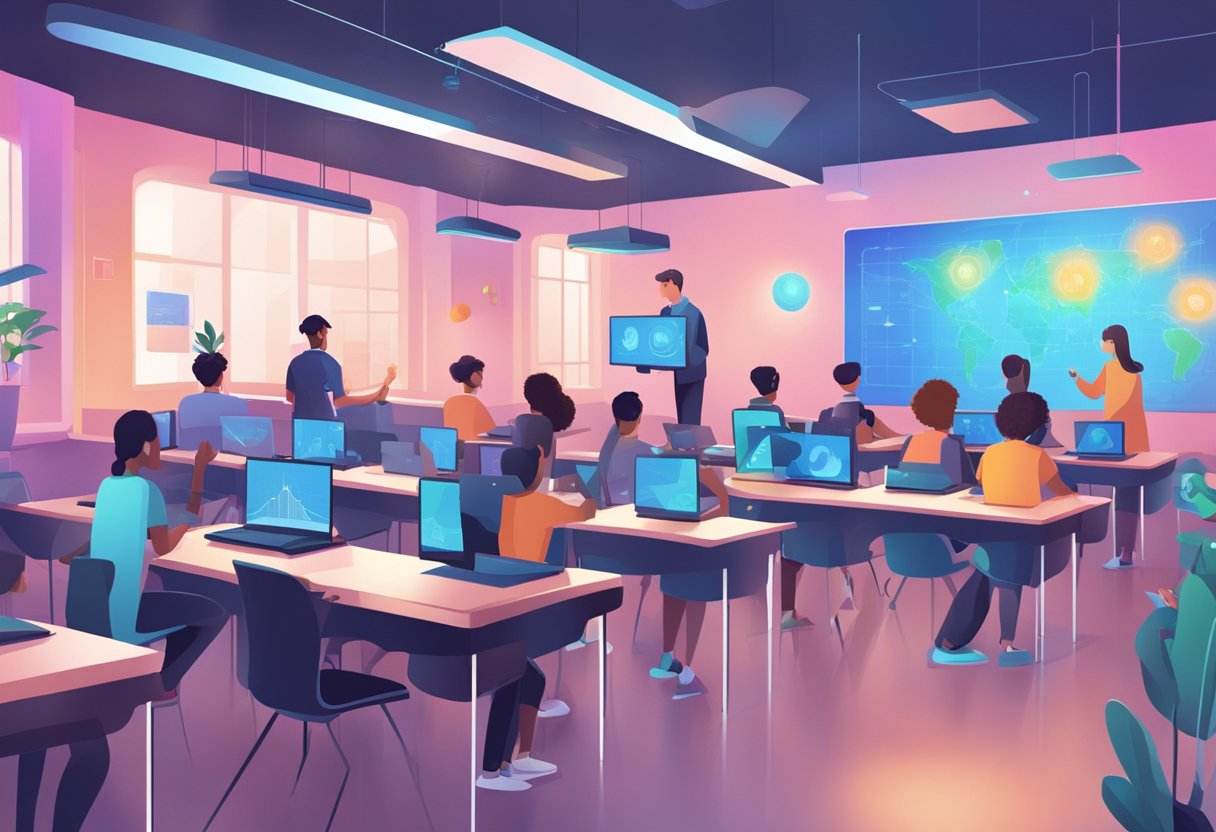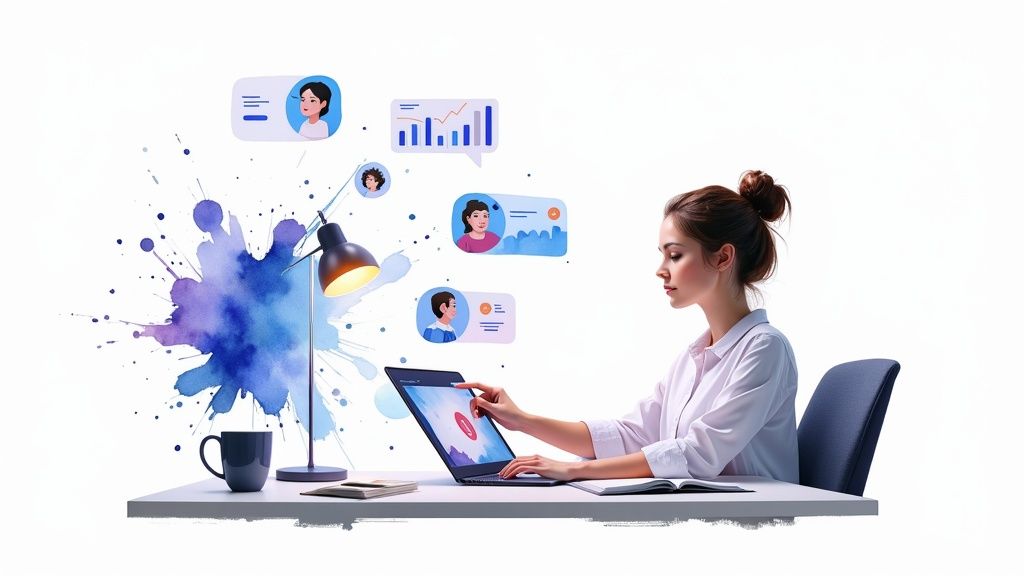

The future of education is rapidly evolving as technology, neuroscience, and global access reshape how people learn. Traditional classroom instruction, once dominant for centuries, is now just one part of a broader ecosystem that includes digital platforms, personalized learning, adaptive curriculum, and immersive technology. In this blog, we explore Future Learning Methods—innovative approaches that are redefining education for students, professionals, and lifelong learners alike.
What Are Future Learning Methods?
Future Learning Methods refers to instructional approaches and educational systems designed to improve learning outcomes using emerging technologies and evidence‑based strategies. Rather than focusing solely on rote memorization or standardized testing, these methods emphasize personalized learning paths, real‑world application, and learner autonomy.
Examples of future learning approaches include blended learning, microlearning, adaptive learning, gamification, project‑based learning, artificial intelligence (AI) assisted education, and immersive learning technologies such as virtual reality (VR) and augmented reality (AR).
1. Personalized Learning: Education Tailored to the Individual
One of the most significant trends in future education is personalized learning. Instead of one‑size‑fits‑all curriculum, learners receive instruction tailored to their skill levels, learning preferences, and progress.
Platforms powered by machine learning analyze user data to adjust the pace and difficulty of content. For example, if a student excels in mathematics but struggles with reading comprehension, the system can prioritize reading modules while reinforcing math challenges at higher complexity.
Benefits of Personalized Learning Methods:
- Improves engagement and motivation
- Reduces frustration by working at an individual pace
- Supports diverse learning needs and styles
- Enables real‑time feedback and assessment
2. Blended Learning: Combining Digital and Traditional Instruction
Blended learning integrates online tools with traditional face‑to‑face education. Learners access pre‑recorded lectures, interactive simulations, or digital assessments alongside real teacher guidance.
This approach supports flexibility while maintaining the structure and social benefits of classroom learning. For instance, students can watch instructional videos at home and use classroom time for discussion or collaborative projects.
Blended learning allows institutions to scale access without diluting quality, making it ideal for both K‑12 schools and adult education programs.
3. Microlearning: Bite‑Sized, Focused Learning Segments
Microlearning breaks content into small, easily digestible modules, typically 3–10 minutes in length. This future learning method is especially effective for professionals, online learners, and individuals with limited attention spans.
Microlearning aligns with how the human brain retains information—short bursts of high‑value content followed by immediate application or reinforcement.
Examples of microlearning content include:
- Short videos explaining core concepts
- Flashcards for memorization
- Interactive quizzes
- Infographics summarizing key ideas
Microlearning is ideal for skills training, compliance courses, language learning, and employee development programs.
4. Gamification: Making Learning Enjoyable and Motivational
Gamification embeds game elements such as points, levels, achievements, and leaderboards into curriculum to increase engagement. Gamification has proven especially valuable in motivating younger learners and adult learners who enjoy challenges and rewards.
When learning feels like play, retention improves. Learners are more willing to take risks, repeat tasks to improve scores, and engage in collaborative learning communities.
Gamified learning platforms may include:
- Virtual badges for course milestones
- Competitive challenges with peers
- Progress trackers and leaderboards
- Narrative elements that make lessons feel like quests
5. Artificial Intelligence (AI) in Learning
Artificial intelligence is one of the most transformative technologies affecting education. AI systems power adaptive learning engines, intelligent tutoring systems, automatic grading, and predictive analytics that identify learning gaps.
AI can:
- Personalize learning pathways
- Provide instant feedback
- Detect patterns in student performance
- Recommend supplemental content
For institutions, AI streamlines administrative tasks, improves course design, and enhances learner support services.
However, educators must balance automation with ethical considerations such as data privacy and algorithmic bias.
6. Virtual Reality (VR) and Augmented Reality (AR): Immersive Learning Experiences
Immersive learning technologies like VR and AR are changing the way learners interact with content.
With VR, learners enter fully simulated environments—ideal for hands‑on training in fields like medicine, aviation, engineering, or history. Imagine a medical student practicing a surgical procedure in a virtual operating room before working with real patients.
AR overlays digital information on the real world, enhancing physical interactions. For example:
- Language learners point a device to translate signs
- Chemistry students view 3D molecules on a tabletop
- History students see digital reconstructions of historical sites
These technologies increase engagement, deepen understanding, and reduce barriers to experiential learning.
7. Lifelong Learning and Continuous Skills Development
In the 21st century, education doesn’t end with graduation. Rapid technological change requires ongoing skill development. Future learning methods recognize education as continuous, not finite.
Digital platforms, professional development programs, and online certification courses help learners stay current in fields such as:
- Data science
- Cybersecurity
- Digital marketing
- Cloud computing
- Graphic design
The emphasis on lifelong learning transforms careers and encourages a culture of curiosity and adaptability.
8. Collaborative and Social Learning Communities
Future learning is inherently social. Collaborative platforms enable learners to interact, share insights, and co‑create knowledge.
Online discussion boards, peer‑review systems, group projects, and mentorship networks strengthen learning through communication. Even asynchronous platforms allow learners in different time zones to contribute meaningfully.
Social learning increases accountability, provides diverse perspectives, and builds essential interpersonal skills.
9. Project‑Based and Experiential Learning
Future learning methods stress real‑world application. Project‑based learning (PBL) engages learners in solving authentic problems rather than memorizing facts.
In PBL environments:
- Students work on long‑term, interdisciplinary projects
- Assessment is based on outcomes and processes, not just tests
- Creativity and critical thinking are central
Experiential learning complements PBL by emphasizing hands‑on practice, reflection, and iterative improvement.
10. Blockchain in Education
Emerging technologies such as blockchain are beginning to influence education by enabling secure credentialing, digital transcripts, and verifiable certificates.
Blockchain allows learners to own and share their credentials without intermediaries. Institutions can issue tamper‑proof badges that employers trust.
Blockchain adoption supports:
- Secure academic records
- Lifetime transcripts
- Portable credentials across borders
Challenges and Considerations for Implementing Future Learning
Although future learning methods offer enormous promise, their implementation is not without challenges.
Accessibility and Equity
Not all learners have equal access to devices, high‑speed internet, or supportive learning environments. Bridging the digital divide is essential to ensure future learning benefits all communities.
Teacher Training
Educators must be equipped with digital literacy, instructional design skills, and the ability to integrate technology meaningfully.
Professional development and ongoing support are key to successful adoption.
Data Privacy and Security
The use of AI, analytics, and digital platforms raises concerns about data privacy. Institutions must comply with relevant laws, ensure transparent policies, and protect learner information.
Maintaining Human Connection
Technology should enhance—not replace—the human aspects of education. Mentorship, empathy, encouragement, and personalized human feedback remain critical.
Conclusion: Future Learning Is Here
The landscape of education is undergoing a powerful transformation driven by technology and research. Future learning methods are more flexible, personalized, immersive, and engaging than ever before.
From personalized learning and adaptive AI tools to VR/AR experiences and microlearning modules, tomorrow’s education supports learners at every stage of life. Challenges remain, but with thoughtful implementation, these methods promise a more inclusive, effective, and exciting future for learners worldwide.
As education evolves, individuals and institutions that embrace innovative learning strategies will be best positioned to thrive in a knowledge‑driven global economy.