
Artificial intelligence (AI) is no longer just a buzzword in technology circles. It has rapidly become a powerful force reshaping how students learn, how educators teach, and how educational institutions operate. From personalized learning platforms to AI‑driven assessment tools, the influence of AI in education is profound and accelerating every year.
In this article, we explore the benefits, applications, challenges, and future prospects of AI in education — and why it matters for learners and educators worldwide.
What Does AI in Education Mean?
At its core, AI in education refers to the use of artificial intelligence technologies — such as machine learning algorithms, natural language processing, predictive analytics, and generative AI systems — to support and enhance the teaching and learning experience. These systems are designed to analyze data, make decisions, adapt in real time, and automate processes that traditionally required human intervention.
Instead of replacing teachers, AI amplifies human capability in ways that make education more accessible, personalized, and efficient. It supports real‑time feedback, automates administrative tasks, identifies student needs, and enables adaptive learning paths tailored to individual learners.
The Rise of AI in Education: A Growing Trend
Recent research shows a significant surge in academic interest and practical implementation of AI in educational settings. A systematic review of 155 empirical studies highlighted how AI research in education has grown sharply since 2022, driven in part by advancements in generative AI tools. These studies reveal widespread experimentation with AI systems that support personalized learning, improve teaching outcomes, and boost student motivation.
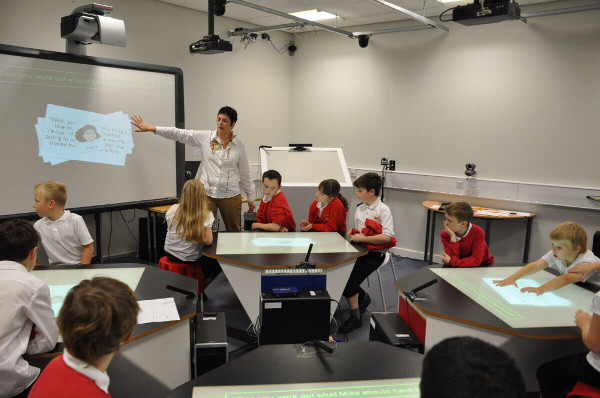
The world is witnessing AI’s integration into virtually every level of education — from early childhood learning environments to higher education and continuing professional development. These technologies are no longer futuristic; they are becoming integral components of modern classrooms and online learning platforms.
Key Applications of AI in Education
AI in education encompasses a wide range of tools and applications. Below are the most impactful uses transforming how education is delivered and experienced.
1. Personalized Learning Environments
One of the most transformative applications of AI in education is personalized learning. Instead of a one‑size‑fits‑all model, AI systems analyze student performance data to tailor lesson content, pacing, and difficulty. For example, an AI platform can slow down explanations for students struggling with a concept and offer advanced challenges to those ready to progress faster.
Adaptive learning engines use algorithms to understand each learner’s strengths and weaknesses, dynamically shaping the learning journey in ways that traditional classroom models cannot.
2. Intelligent Tutoring Systems (ITS)
Intelligent tutoring systems are specialized AI applications that simulate one‑on‑one instruction. These systems can answer questions, provide hints, and correct mistakes, just as a human tutor would. ITS tools help bridge gaps when teachers cannot be physically present or when learners require additional support beyond office hours.
3. Automated Assessment and Feedback
AI tools are now capable of grading assignments, evaluating student responses, and generating real‑time feedback. By automating routine evaluation tasks such as quizzes or short‑answer assessments, educators can focus more on pedagogical support and meaningful interaction with students.
4. Virtual Assistants and Chatbots
Generative AI systems like ChatGPT are widely used as virtual learning assistants that help students with homework, explanations, and study guidance. These tools can answer questions, provide summaries, and help brainstorm ideas — functioning much like an on‑demand tutor.
5. Enhanced Accessibility
AI technologies make education more inclusive. Real‑time speech‑to‑text, automatic translation, and adaptive interfaces support students with disabilities or language differences. This enables learners who might have struggled in traditional settings to engage fully with educational content.
6. Administrative Efficiency
Beyond learning support, AI tools streamline administrative functions such as attendance tracking, scheduling, and record management. By taking over repetitive tasks, AI allows educational staff to invest their time in creative instruction, student engagement, and curriculum development.
Benefits of AI in Education
The integration of AI into education presents multiple advantages that benefit students, teachers, and institutions alike:
Enhanced Student Outcomes
AI‑powered adaptive systems help students learn at their own pace, resulting in deeper understanding and better retention. Personalized pathways increase motivation and engagement — especially for learners who struggle under traditional models.
Time Savings for Educators
By automating administrative and grading tasks, AI frees teachers to focus on instructional quality, mentorship, and building meaningful relationships with students.
Scalability and Reach
AI enables scalable solutions for large classes, remote learning, and diverse socioeconomic contexts. Students who lack access to physical schools can benefit from high‑quality digital learning environments powered by intelligent systems.
Real‑Time Feedback and Continuous Assessment
AI tools provide instant feedback, allowing students to correct mistakes and iterate their understanding without waiting for scheduled evaluations. This promotes self‑directed learning and encourages academic responsibility.
Challenges and Ethical Considerations
While the benefits are compelling, AI in education also brings significant challenges that require careful attention.
Data Privacy and Security
AI relies on large amounts of student data — from performance metrics to personal identifiers. Ensuring that this data remains secure and private is critical. Ethical use of student data must align with regulations and transparency standards to protect learners’ rights.
Algorithmic Bias
If AI systems are trained on biased data, they may inadvertently reinforce inequalities. For example, an AI grading tool trained on datasets lacking cultural diversity might produce unfair assessments for students from underrepresented backgrounds.
Over‑Dependence on Technology
Excessive reliance on AI tools may reduce opportunities for learners to develop deep critical thinking, problem‑solving, and human interaction skills. Educators must balance AI use with fundamental educational goals.
Teacher Resistance and Training Challenges
Some educators express hesitation or uncertainty about integrating AI, particularly if they lack training or fear losing control over the classroom dynamic. Professional development programs are essential to empower teachers to use AI effectively.
The Future of AI in Education
Looking ahead, AI will continue to evolve as a core pillar of educational innovation:
- Policy Frameworks: Governments and education departments are developing guidelines to ensure ethical, fair, and secure use of AI in classrooms.
- Human‑Centered AI: Future AI systems will likely emphasize collaboration between human educators and intelligent technologies rather than AI autonomy alone.
- Skill Shifts: Learners will increasingly need skills in AI literacy, digital reasoning, and ethical technology use — critical competencies for the job market of tomorrow.
The integration of AI in education represents not just a technological shift but a pedagogical transformation that will shape how societies educate future generations. As AI tools become more sophisticated and accessible, the focus will be on responsible implementation that prioritizes equity, creativity, and student well‑being.
Conclusion
AI in education is one of the most impactful technological advances of the 21st century. It enhances learning outcomes through personalized instruction, improves accessibility, and enables educators to work more effectively. However, realizing its full potential requires navigating challenges related to privacy, bias, and ethical use.
By embracing thoughtful AI adoption, educational institutions can foster environments where students succeed and where the future of learning is inclusive, innovative, and empowering.
AI in education isn’t just a trend — it’s a paradigm shift shaping the future of learning worldwide